Diamonds dazzle in a variety of shapes. From the sleek sophistication of emerald cuts to the brilliance of round, oval and pears, every diamond shape brings its own unique style and personality. And each requires thoughtful consideration when choosing the right setting.
When shopping for a diamond, selecting the shape and cut style are some of the most important decisions you’ll make. More than just a matter of aesthetics, the shape and cut style influence how a diamond reflects light, its perceived size, and how it complements your personal style or setting design. From the dazzling brilliance of a round brilliant to the sleek sophistication of an emerald cut, each option offers a distinct look and feel.
This diamond shape guide will help you understand the characteristics of different diamond shapes, so you can choose the engagement ring shapes that best suit your taste, lifestyle and budget.Â
Diamond Shape vs. Cut Style: What’s the Difference?
When talking about diamonds and gemstones, it’s important to understand the difference between shape and cut style. Two stones with the same shape can look very different depending on their cut style.
Shape describes the outline or silhouette of the diamond when viewed from above. Common shapes include round, oval, square, pear, marquise, cushion and heart.
Cut style describes how the stone’s facets—the flat surfaces cut into the gem—are arranged and angled. This facet pattern influences how light reflects and refracts inside the stone, affecting its sparkle, brilliance and overall look.
Some terms, such as emerald cut or princess cut, describe both the outline and a specific facet pattern. Others, like standard round brilliant, refer to a highly defined style with exactly 57 or 58 facets.
Shapes like oval, pear, marquise and heart can have many different facet arrangements, giving them lots of variety. Cuts like emerald, radiant and Asscher may look similar in outline (rectangular or square) but differ in how their facets are arranged. Even shapes like cushion and princess come in multiple variations, depending on the number and style of facets.
The two most common cut styles are the brilliant cut and the step cut:
Brilliant Cut: Brilliant cuts are characterized by numerous small, kite-shaped and triangular facets that gather and reflect light to create incredible brilliance and fire. Compared to step cuts, brilliant cuts have a busier facet pattern with smaller facets, which can help mask inclusions and color, making brilliant cuts more forgiving of clarity and color imperfections.
Step Cut: Step cuts feature concentric, trapezoidal facets that create a mesmerizing “hall of mirrors†effect. Step cuts are known for their elegant gleam rather than brilliance. They tend to have larger facets that reveal color and clarity grades more.

How Shape Affects Appearance
Perceived Size: Elongated shapes like oval, marquise or pear can give the illusion of greater size compared to a round diamond of the same carat weight.
Setting: Certain shapes need to be set in different ways to emphasize their shape or protect points. Marquise points may need V prongs at either end. Heart shapes, especially small ones, need prongs that emphasize rather than hide their shape.
Style: Different diamond shapes evoke different aesthetics. Princess cuts (square brilliant cuts) are often seen as bold and modern, while cushion and oval cuts can have a softer appearance and a more vintage feel. Heart-shaped diamonds are associated with love and passion.
How Cut Style Affects Appearance
Color: Brilliant cuts can make color less noticeable by maximizing sparkle and light return. Step cuts such as the emerald or Asscher cuts show color more, so those wishing for a relatively “white†or colorless step cut will need to go higher in color grade.
Clarity: Brilliant cuts can conceal small flaws through their many facets, especially at their points. Shapes like marquise cuts can conceal small inclusions quite well at either end. Step cuts like emerald cuts, with their larger open facets, may reveal them more easily, so those wishing for an eye-clean stone will need to go higher in clarity grade.
Popular Diamond Shapes and Cut Styles
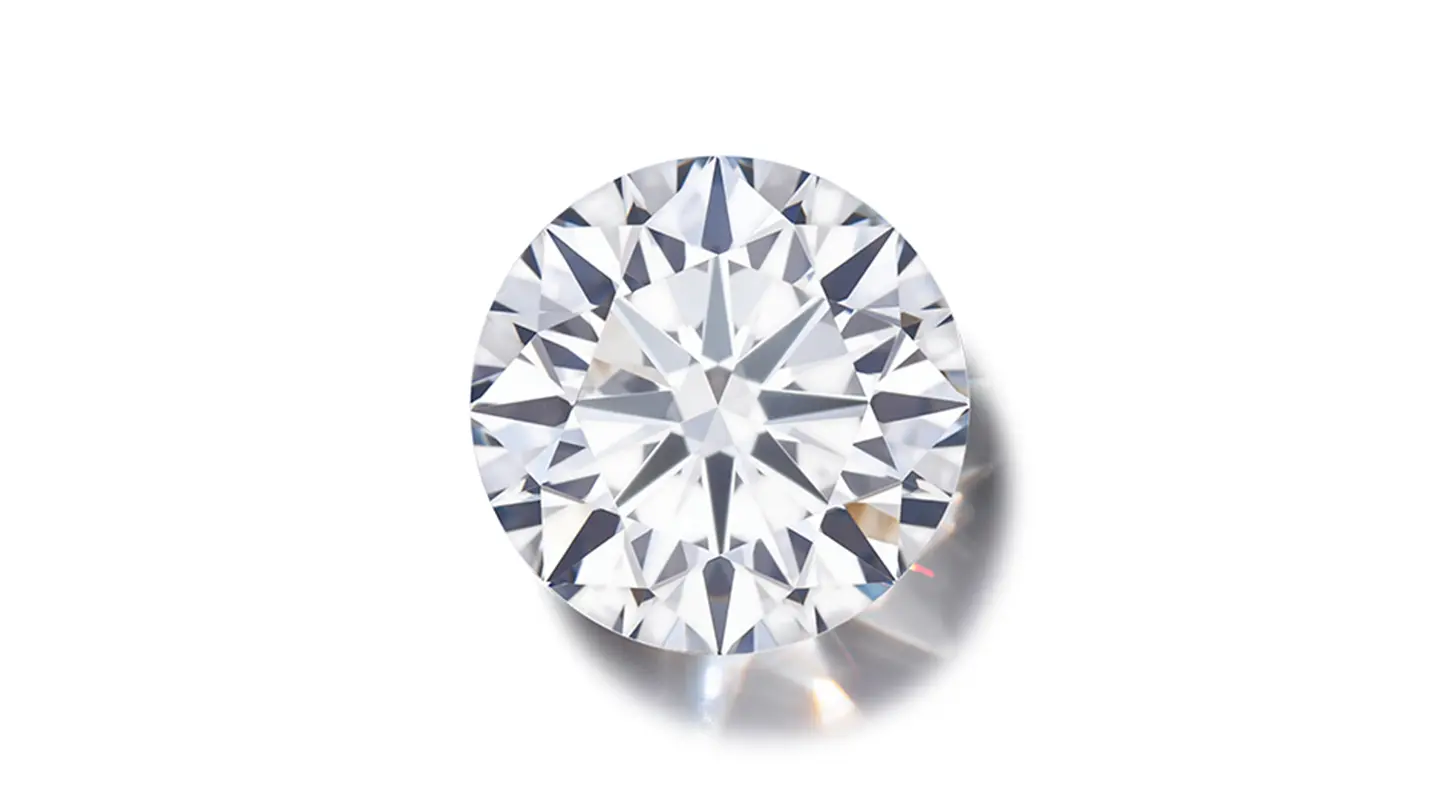
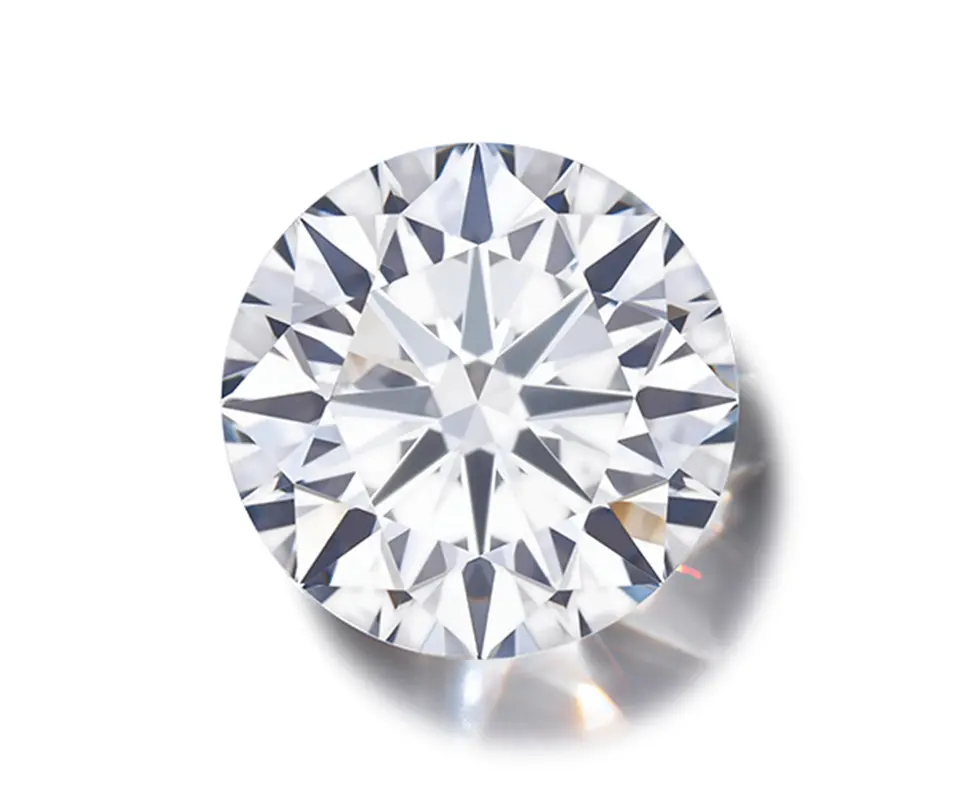
Round Brilliant Cut Diamond
The round brilliant cut is the most popular and iconic diamond shape, accounting for the majority of diamonds sold today. Its timeless look, unmatched sparkle and versatility make it the top choice for engagement rings and fine jewelry of all styles.
Key Considerations
The round brilliant is the only diamond shape that receives an official GIA cut grade, which ranges from Excellent to Poor. This grade reflects the craftsmanship of a diamond. A diamond with an Excellent cut grade will display exceptional brilliance, fire and scintillation, along with a crisp, symmetrical face-up pattern that looks stunning from every angle.
Setting Styles
Whether as a classic solitaire or as part of a more elaborate design, a round-shaped diamond engagement ring delivers maximum sparkle and timeless appeal. For other round shaped diamond engagement ring options, see vintage cut diamonds below.Â
Shop for your round brilliant diamond with confidence. Learn how to select a round brilliant engagement ring.
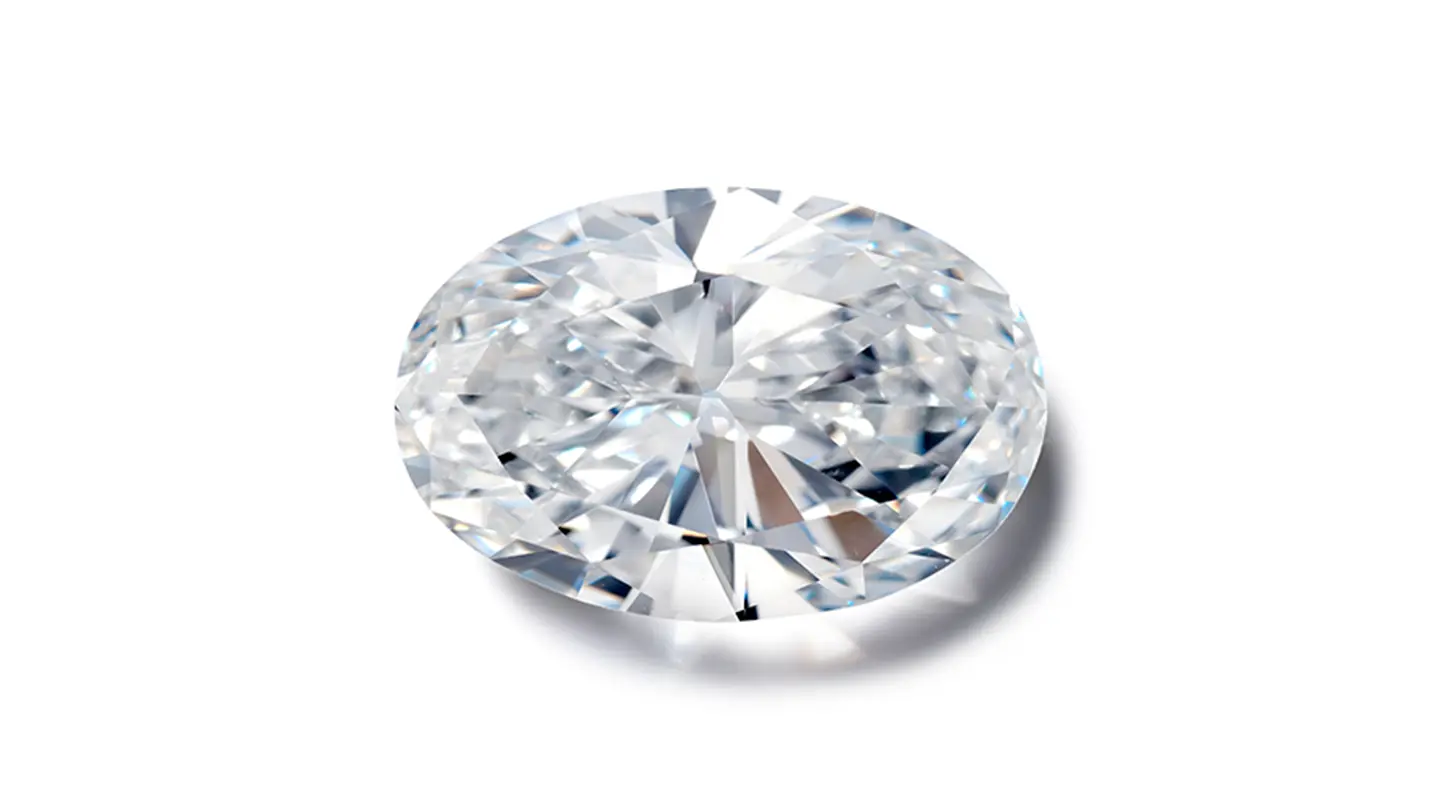
Oval Shape Diamond
The oval brilliant cut diamond combines the fire and brilliance of a round diamond with an elongated, graceful silhouette. Its shape flatters the hand by making fingers appear longer and more slender, and creates the illusion of a larger size per carat—making it a popular, value-conscious choice for those seeking maximum visual impact.
Key Considerations
A key consideration with this shape is the bowtie effect—a dark, bow-tie shaped shadow that appears across the center of the stone. In well-cut ovals, this effect is subtle and doesn’t detract from the diamond’s sparkle; in poorly cut ovals, it can be large or dark enough to be distracting.
Symmetry and a smooth, balanced outline (no flat or bulging areas are also essential for a pleasing appearance.
Oval diamonds typically have a length-to-width ratio between 1.3:1 and 1.4:1. Stones with shorter ratios may look like a lopsided round, while those with longer proportions can be more difficult to find.
Setting Styles
Ovals work beautifully in both vintage and modern settings and are typically more affordable than round brilliants of the same carat weight, offering similar brightness with a graceful twist. Thanks to their versatility, the oval-shaped diamond engagement ring has become a favorite among brides.
GIA’s Oval Cut Diamond Guide provides everything you need to know about selecting your perfect oval diamond.
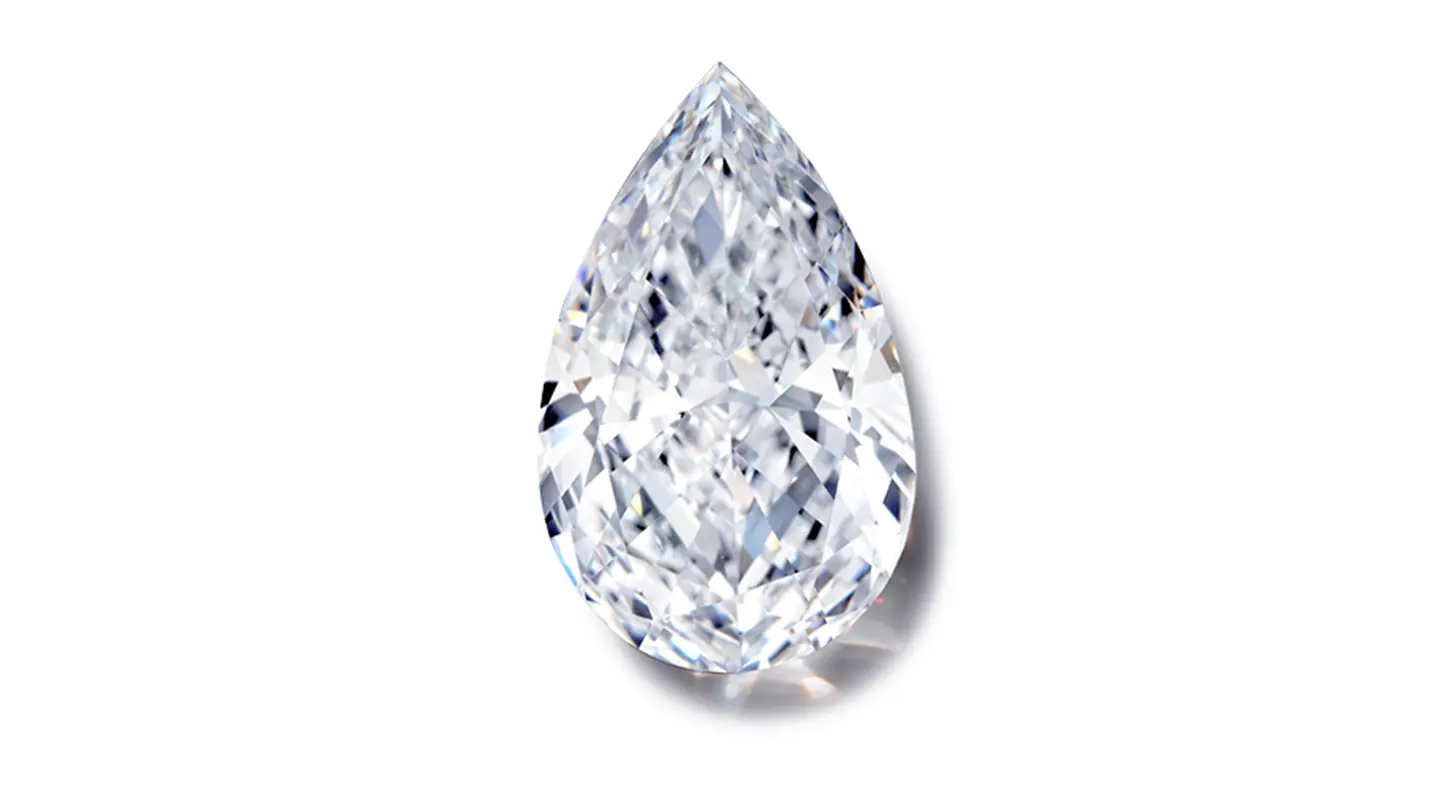
Pear Shape Diamond
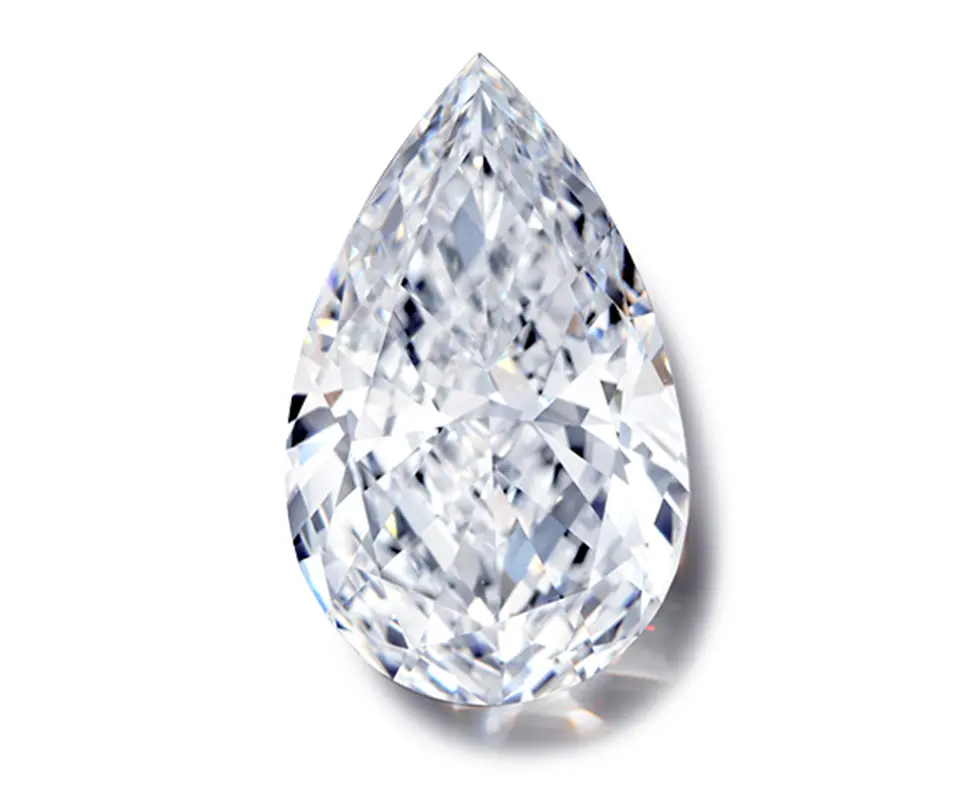
The pear brilliant cut diamond is a graceful cut that combines the brilliance of a round diamond with the dramatic shape of a marquise. Its teardrop silhouette creates a striking, elongated shape that flatters the finger and adds visual length—making it a popular choice for both engagement rings and statement pieces.
Key Considerations
Cut with brilliant-style facets, pear-shaped diamonds offer exceptional sparkle and fire. However, one characteristic to be aware of is the bowtie effect—a shadow that can appear across the center of the stone. While a slight bowtie is common, the most desirable pears have a soft, minimal shadow that doesn’t detract from their brilliance.
Pear diamonds vary in length-to-width ratio, offering a range of styles from softly rounded to slender and dramatic. Most fall between 1.3:1 and 1.4:1; ratios shorter than this can make the stone look off-round, while longer ones can be more delicate and harder to find.
Setting Styles
This versatile shape complements both classic and modern designs. The pear-shaped diamond engagement ring can work beautifully as a solitaire, with halo or in three-stone settings, and can be worn with the point facing up, down or at an angle, allowing for a truly customizable and personal look.
Due to the pointed tip, a secure setting—such as a prong or bezel setting—is essential to help prevent chipping.
Marquise Cut Diamond
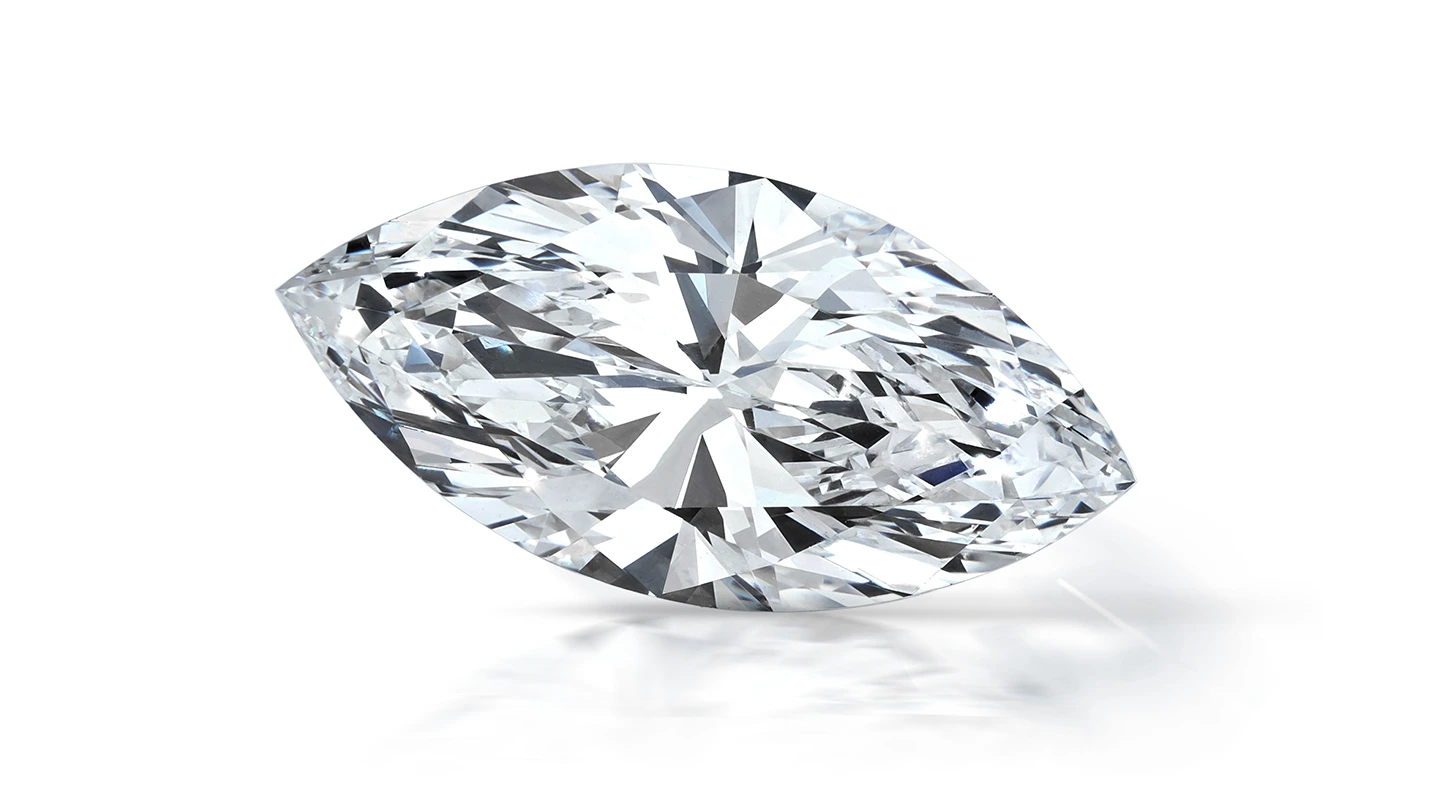
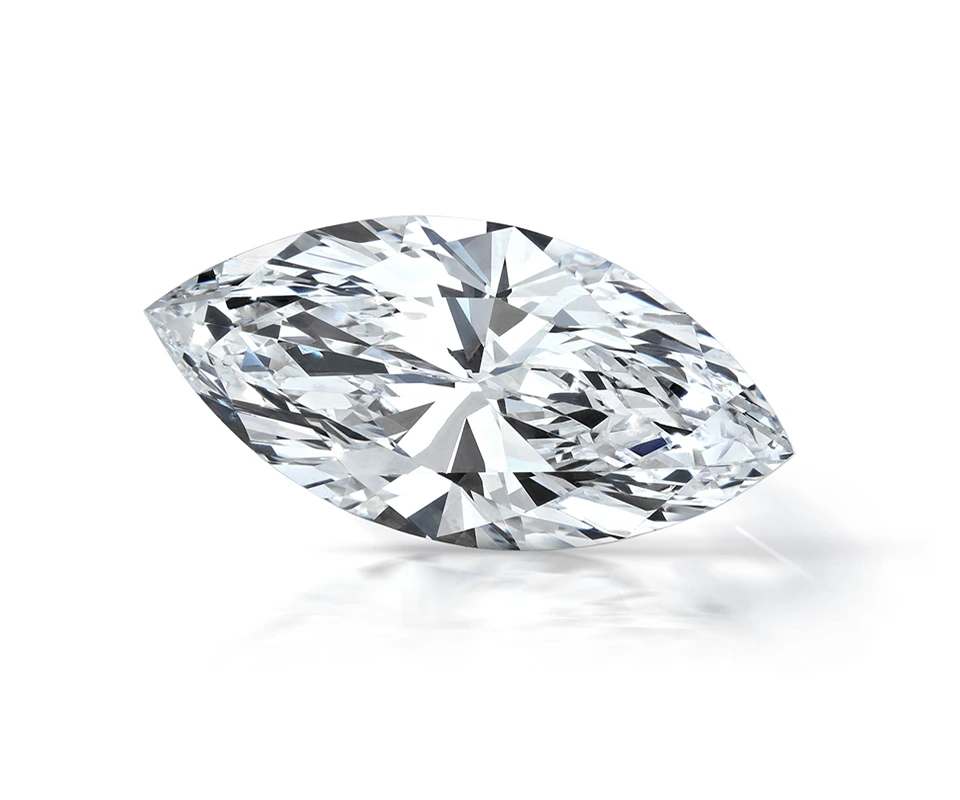
The marquise cut, also known as the navette cut, is a dramatic, elongated diamond shape with two pointed ends. Its distinctive silhouette creates the illusion of a larger stone and flatters the finger by making it appear longer and more slender.
Marquise cuts offer strong value per carat, often appearing larger than other shapes of the same weight. The cut also carries an interesting backstory—legend has it that Louis XV commissioned the design to resemble the perfectly shaped lips of his mistress.
Key Considerations
As a brilliant cut, the marquise diamond offers excellent sparkle. However, its length and pointed tips make it more susceptible to chipping, so secure settings—such as V-prongs—are essential for protection.
Symmetry is especially important for marquise cuts; uneven sides or misaligned points appear obvious and may affect the overall brilliance of the stone. GIA Diamond Grading Reports assess symmetry on a scale from Excellent to Poor. Ideally, a diamond should have Excellent or Very Good symmetry.
One visual consideration is the bowtie effect, a dark shadow that can appear across the center of some elongated diamonds. A well-cut marquise will minimize this while maintaining a bright, lively face-up appearance.
Setting Styles
The marquise-shaped diamond engagement ring is ideal for those drawn to something unique and dramatic with a touch of vintage glamour. The right setting can enhance its look.
Solitaire settings can highlight the marquise diamond’s striking form, with prongs or V-shaped guards at each end to protect the delicate points of the marquise. Halo settings add brilliance and soften the sharp tips with a border of smaller diamonds. East-west settings, where the stone is set horizontally, offer a bold, modern twist on the traditional look.
Princess Cut Diamond
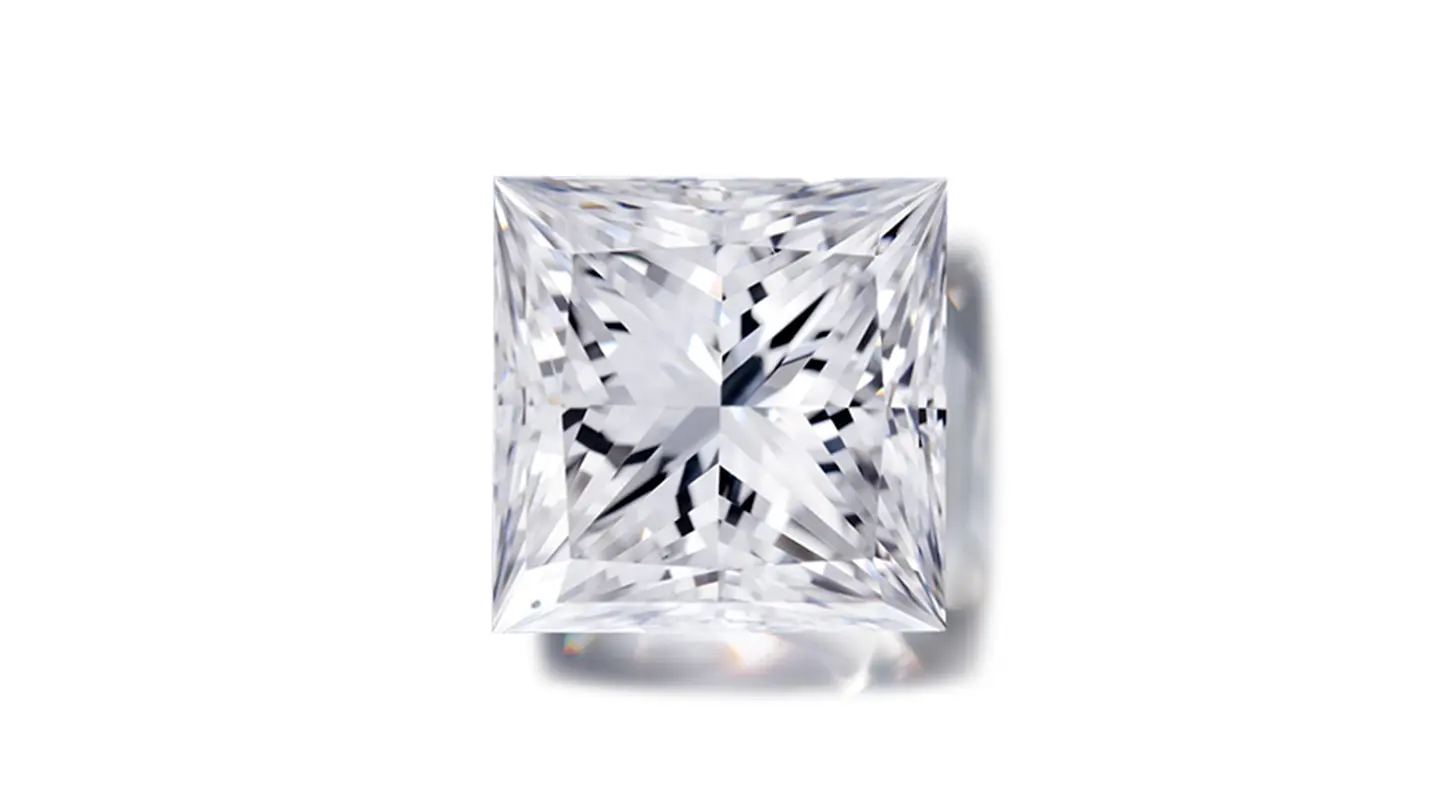
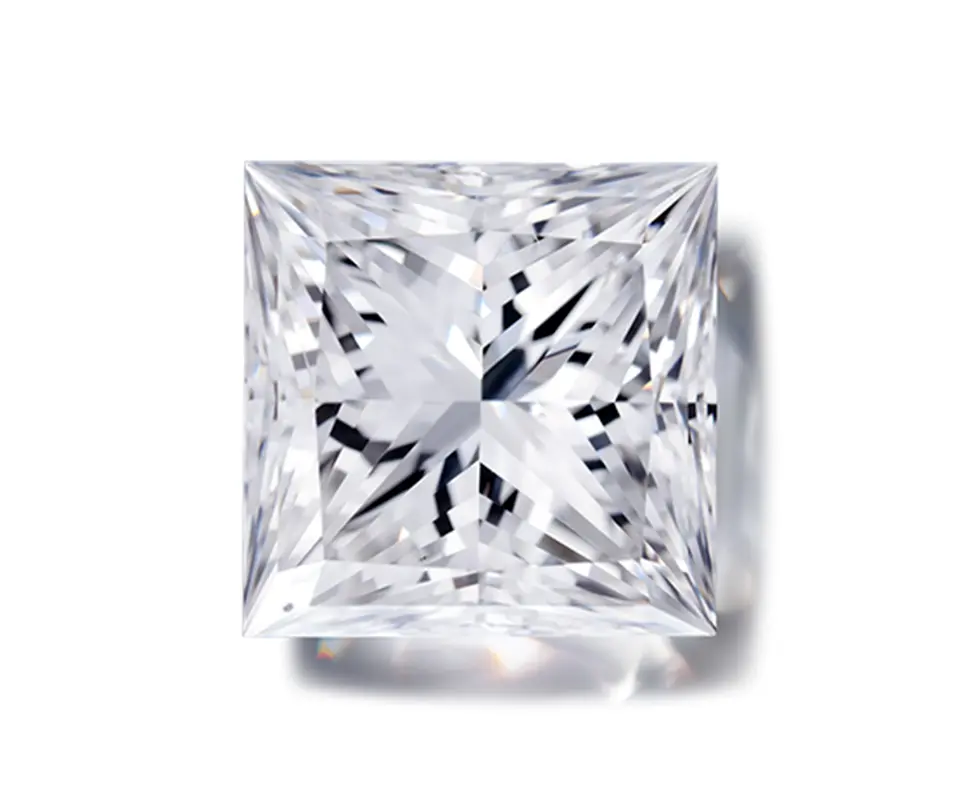
The princess cut, also called the square modified brilliant, is a modern and popular square diamond shape known for its brilliant sparkle and contemporary appeal.
Its sharp, pointed corners are great at hiding inclusions, meaning you can opt for a somewhat lower clarity grade on princess cuts (especially if the inclusions are located in the corners) to save on cost.
Key Considerations
Princess cuts may appear slightly smaller than other square-shaped diamonds, such as Asscher cuts, because they have deep pavilions that place much of their weight at the bottom of the stone. However, they are more affordable per carat than round brilliants since they preserve more of the original rough crystal. This makes princess cuts a popular choice for those seeking a vibrant, stylish square-shaped diamond engagement ring.
Setting Styles
The princess cut’s sharp corners require protective settings to prevent chipping. Round, claw or, ideally, V-shaped prongs should be used to protect the corners. Princess cuts can also be set in bezel settings for maximum protection.
Emerald Cut Diamond
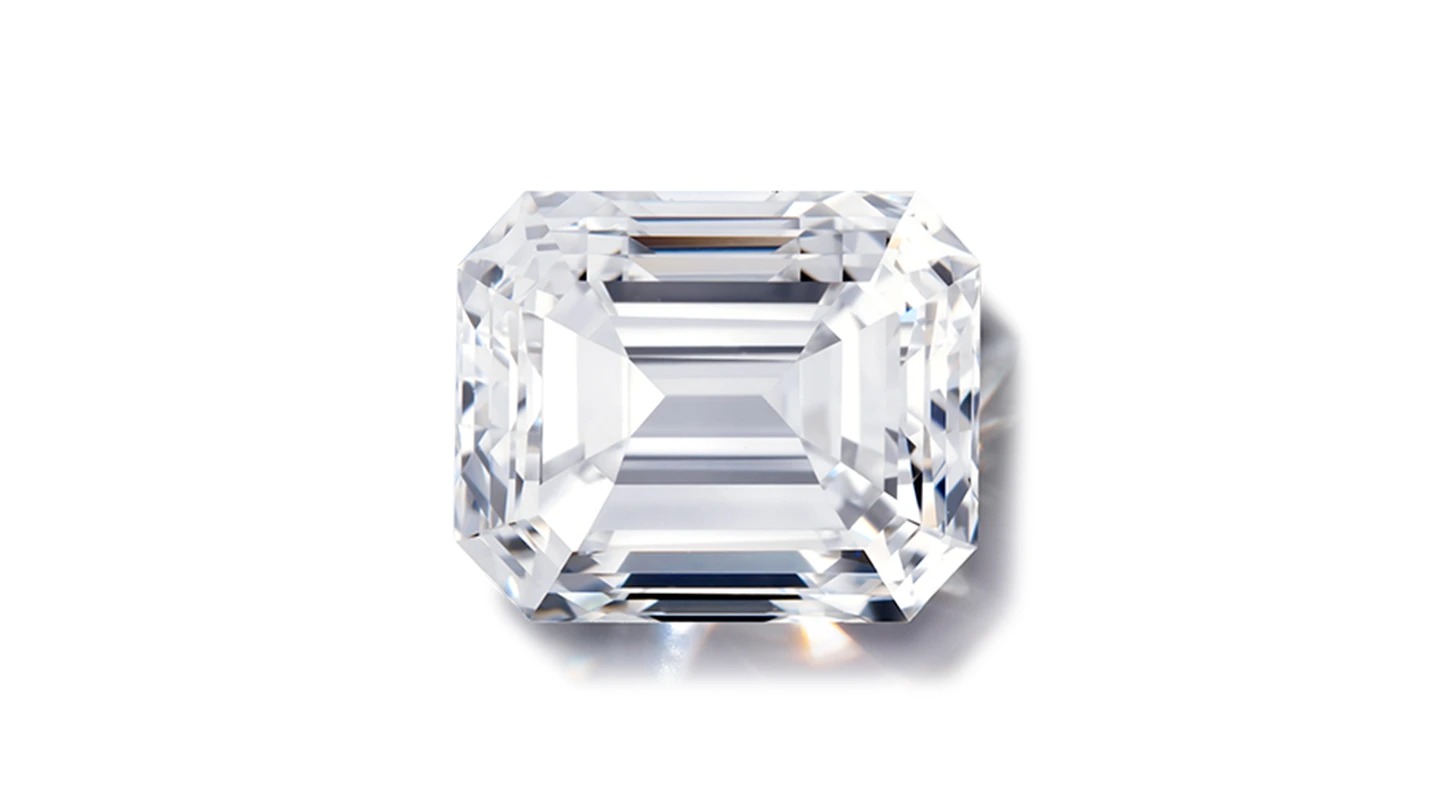
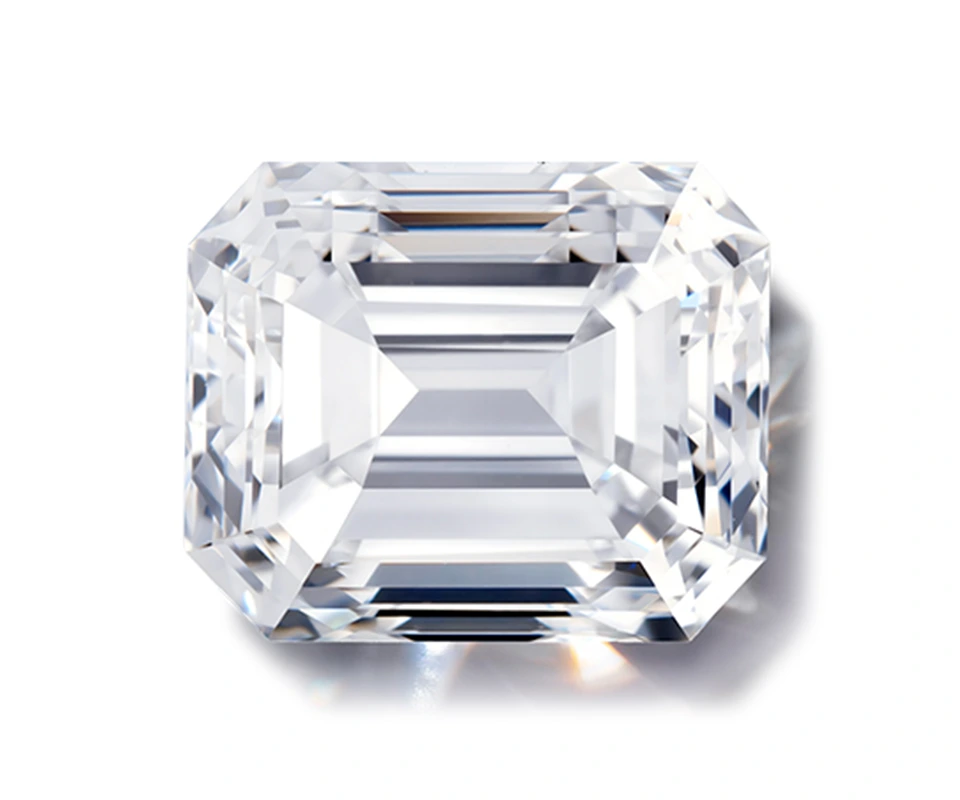
The emerald cut is a bold, sleek diamond shape known for its clean lines and iconic “hall of mirrors†effect—a mesmerizing gleam created by long, open step-cut facets. Unlike brilliant cuts that focus on sparkle, the emerald cut highlights clarity, symmetry and quiet sophistication.
Despite its name, the emerald cut refers to the style of cutting, not the gemstone itself. It was originally developed for emeralds to reduce pressure during the cutting process and prevent chipping. Its elegant, rectangular shape with cropped corners has since become a popular choice for diamonds, especially among those drawn to vintage-inspired designs with a modern, architectural edge.
Key Considerations
Because of its large table and open facets, the emerald cut tends to show inclusions and color more easily than other shapes. As a result, it is best to select emeralds cuts with a grade of VS2 clarity and G color or above. Even higher grades are recommended for stones 2 to 3 carats or above.
Setting Styles
The emerald cut’s elongated shape has a flattering effect on the hand, creating the illusion of longer, more slender fingers. Ideal for minimalist, Art Deco or vintage-inspired settings, the emerald cut is perfect for those drawn to understated luxury.
Radiant Cut Diamond
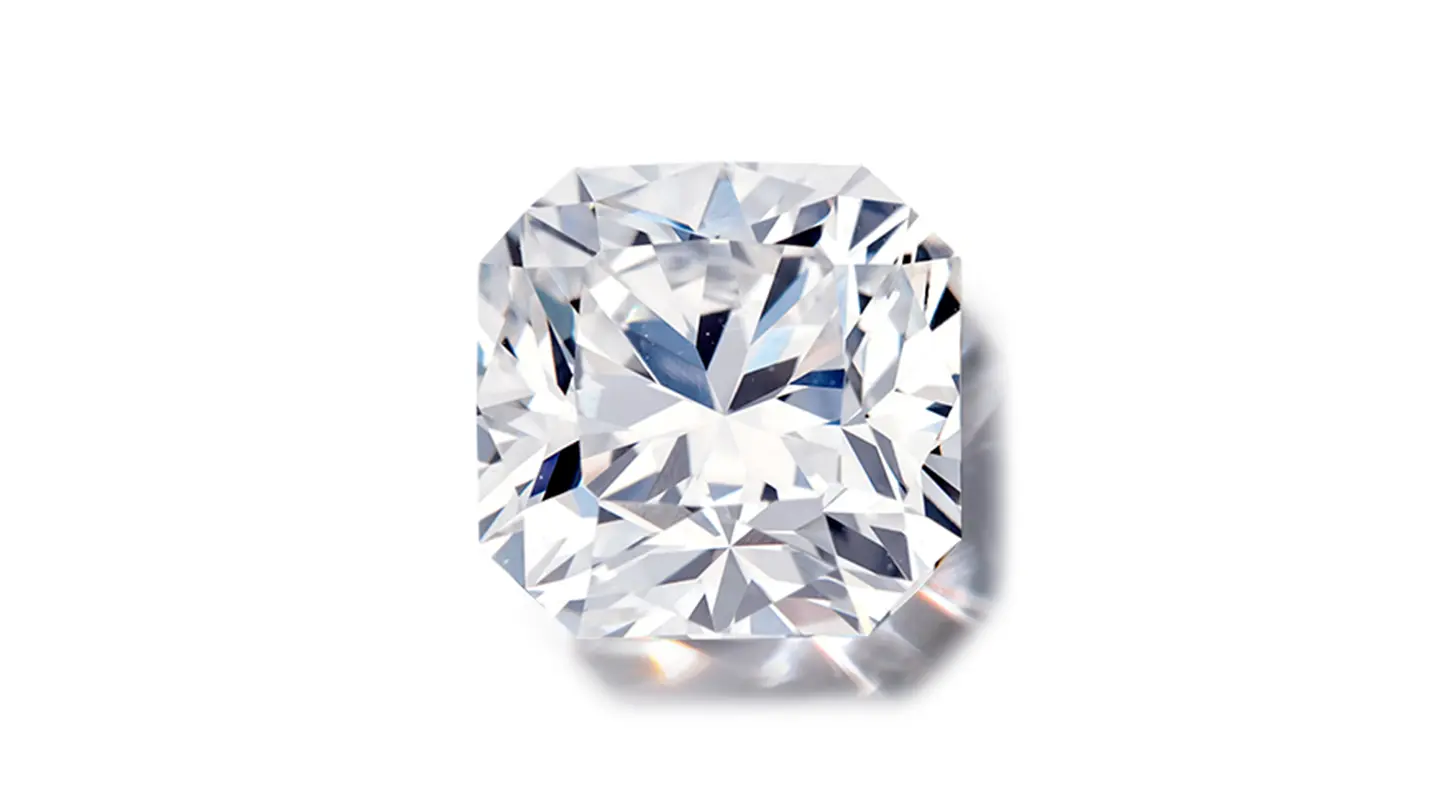
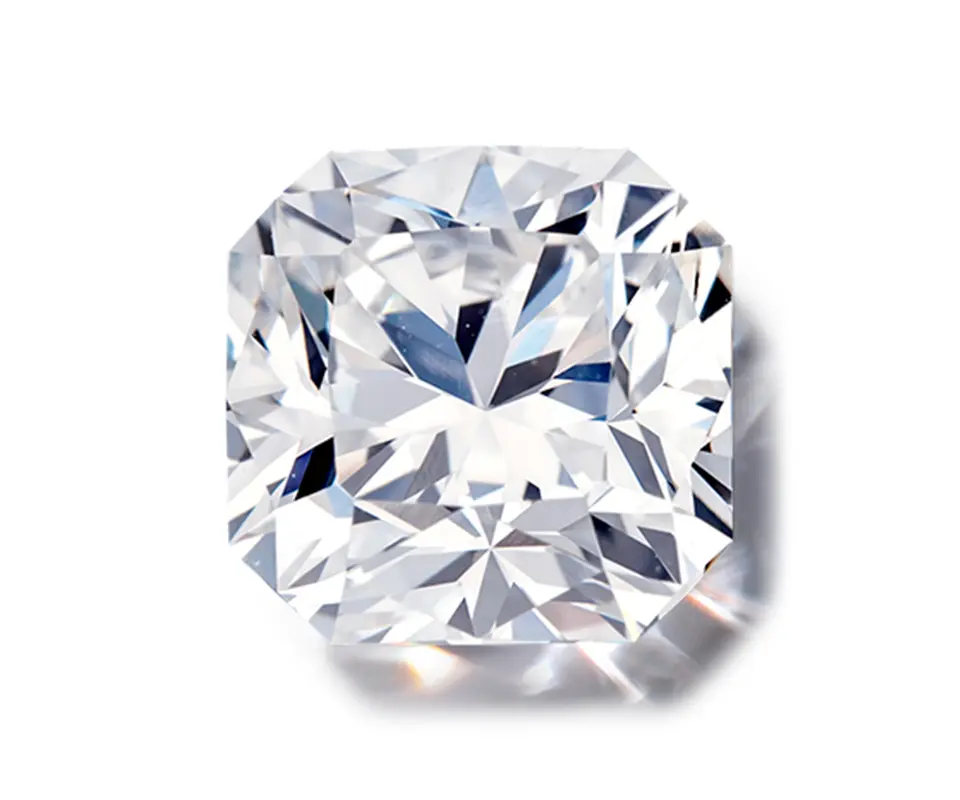
With its rectangular or square shape and cropped corners, the radiant cut combines the sleek, geometric lines of an emerald cut with the dazzling sparkle of a brilliant cut.
Thanks to its 70 facets, the radiant cut is one of the most brilliant of the rectangular shapes, often said to have a “crushed ice†appearance. This facet pattern not only maximizes light reflection but also helps mask inclusions and warm colors, making it more forgiving than step cuts like emerald or Asscher.
Key Considerations
A square radiant offers symmetry and compact beauty, while a rectangular shape gives a lengthening effect on the finger—similar to an emerald or oval cut. Another benefit of radiant cuts is value: they tend to cost less per carat than round brilliants while offering similar sparkle. Their durability is also a plus—those cropped corners help prevent chipping, making them a practical choice for everyday wear.
Setting Styles
Along with the emerald cut, the radiant cut is one of the most popular rectangular diamond engagement ring options. Whether set as a solitaire or surrounded by a halo, the radiant cut is ideal for those seeking a contemporary diamond with maximum sparkle.
Asscher Cut Diamond
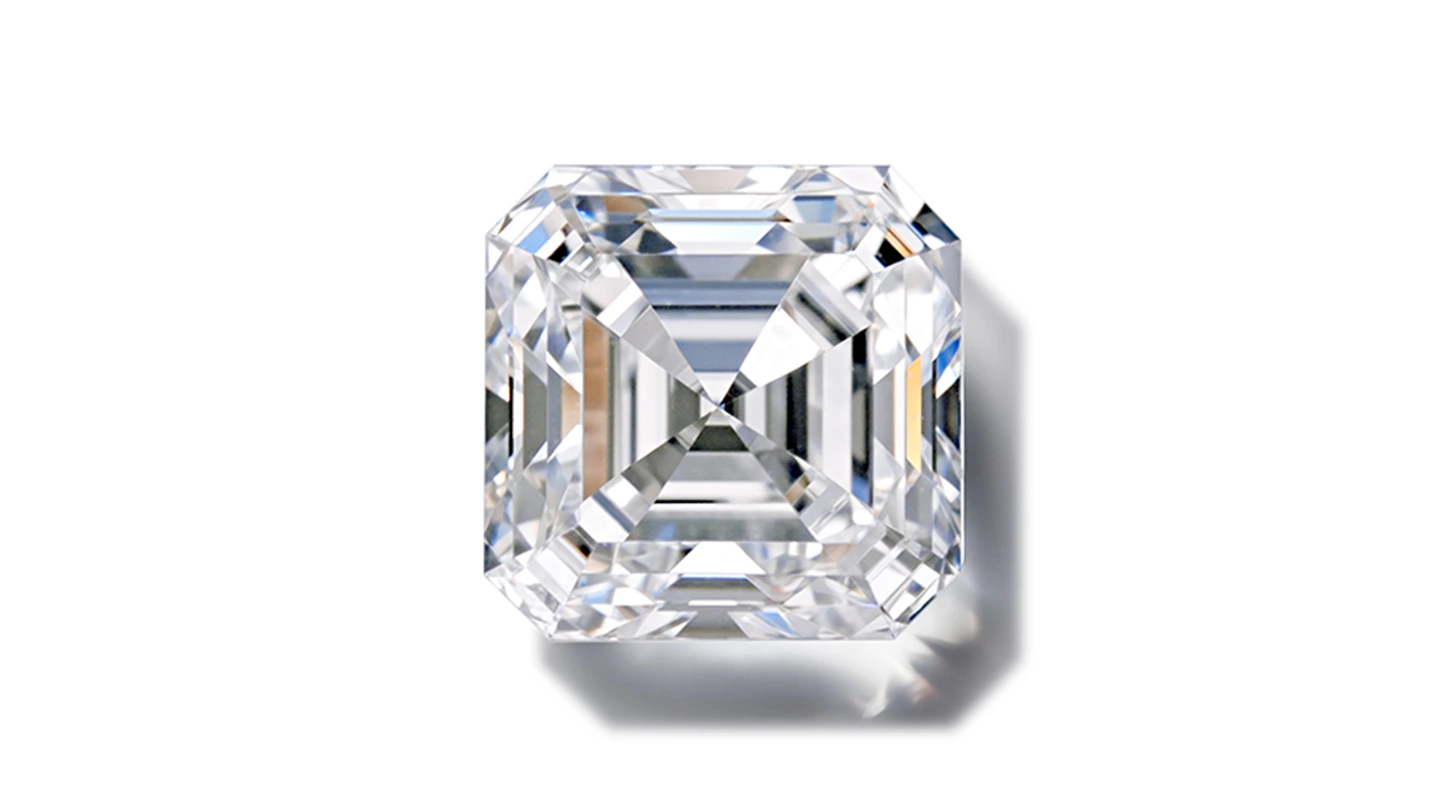
The Asscher cut is a bold and striking square-shaped diamond with vintage allure. Developed in the early 1900s and popularized during the Art Deco era, the Asscher cut features step-cut facets, a high crown and a small table, creating a mesmerizing “hall of mirrors†effect similar to the emerald cut—but in a more compact, symmetrical form. Asscher cuts with large bevels, more common in vintage stones, can sometimes appear octagonal in shape.
Key Considerations
The Asscher cut’s defining feature is its deep pavilion and layered facets, which draw the eye inward toward the center of the stone. When well-cut, Asscher diamonds display sharp symmetry and a striking, geometric gleam. Many also show a distinctive “X†pattern when viewed face-up, adding to their visual intrigue.
Because of the large, open facets, clarity and color are especially important in Asscher cuts. These diamonds tend to show inclusions and body color more readily than brilliant cuts, so opting for VS2 clarity or higher and G color or better is recommended—particularly for stones over 2 to 3 carats.
Setting Styles
Perfect for those who love refined glamour with a touch of nostalgia, the Asscher cut is ideal in solitaire, halo or antique-style settings such as the Georgian cut-down setting.
For larger stones—3 carats and above—double prongs are often used to secure the gem at its beveled corners. Each double prong is finer than a single prong, but together, they offer added security by holding the stone in place even if another prong fails.
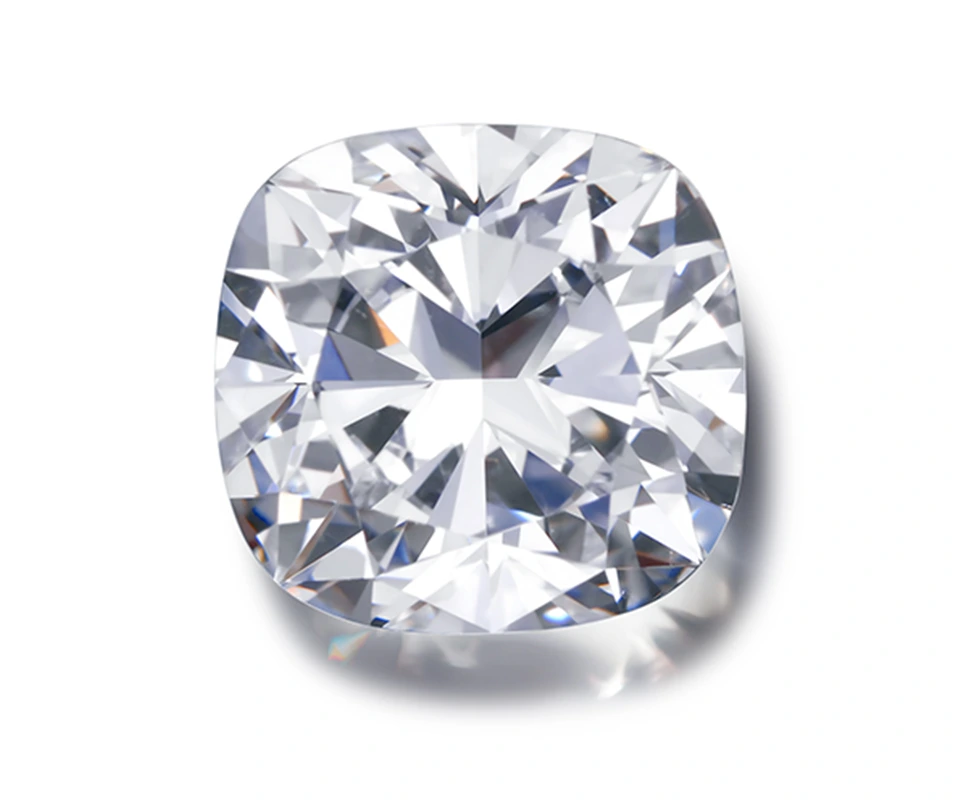
Cushion Cut Diamond