Trending
Nigeria: Mchtrack Is Helping Katsina Reach Women and Children Missing Immunisation and An… is trending now Rufai Garba: Diphtheria Surge Is Result Of Immunity Gap Built Up Over Years is trending now Plateau buses make face masks compulsory as diphtheria outbreak worsens is trending now Tobacco use can undermine fertility, UN health agency warns is trending now Survey of young researchers raises concerns over future of science in U.S. is trending now 15,000-Year-Old Cave Art in Ireland Could Push Back Human Arrival on the Island by Thousa… is trending now FIBA World Cup: France Humble D’Tigress 111-56 As Wakama Admits Nigeria Must Rebuild is trending now Tobi Amusan Headlines Nigeria’s Squad For 2026 World Athletics Ultimate Championships is trending now 'We need players 100 per cent' - Enzo Maresca outlines plan to rest exhausted Man City st… is trending now Will he respond to Mbappé? Dembélé reveals his Ballon d'Or picks is trending now “4 days to go”: Mohbad’s fans mourn ahead of singer’s third remembrance is trending now BREAKING: Nomy Disqualified From BBNaija Season 11 is trending now Nigeria: Mchtrack Is Helping Katsina Reach Women and Children Missing Immunisation and An… is trending now Rufai Garba: Diphtheria Surge Is Result Of Immunity Gap Built Up Over Years is trending now Plateau buses make face masks compulsory as diphtheria outbreak worsens is trending now Tobacco use can undermine fertility, UN health agency warns is trending now Survey of young researchers raises concerns over future of science in U.S. is trending now 15,000-Year-Old Cave Art in Ireland Could Push Back Human Arrival on the Island by Thousa… is trending now FIBA World Cup: France Humble D’Tigress 111-56 As Wakama Admits Nigeria Must Rebuild is trending now Tobi Amusan Headlines Nigeria’s Squad For 2026 World Athletics Ultimate Championships is trending now 'We need players 100 per cent' - Enzo Maresca outlines plan to rest exhausted Man City st… is trending now Will he respond to Mbappé? Dembélé reveals his Ballon d'Or picks is trending now “4 days to go”: Mohbad’s fans mourn ahead of singer’s third remembrance is trending now BREAKING: Nomy Disqualified From BBNaija Season 11 is trending now
European Food

How EduHealth Can Reduce Absenteeism with Advanced EHR 

How EduHealth Can Reduce Absenteeism with Advanced EHR Student absenteeism is a worldwide challenge that schools face constantly. This challenge impacts the overall well-being of the child’s academic performance and classroom engagement.  Some absences are inevitable due to health issues, we cannot help it. However, we can minimize others with better monitoring, early intervention, and simplified communication.   Let us explore how we can significantly reduce absenteeism rates with EduHealth, our school health management system that uses AI and digital tools to help schools proactively track and manage student health issues. How Health Issues Lead to Absenteeism A great percentage of missed school days are the result of common health issues like flu and colds. There are also chronic conditions such as diabetes, asthma, and mental health issues.  Without a proper tracking and management system, it is a dire task for schools to identify patterns, provide timely interventions, and communicate effectively with parents.  EduHealth steps in to revolutionize the way schools manage health-related absenteeism. It enables better tracking, intervention, and communication, thus making the task easier for the school nurses.  How EduHealth Helps Reduce Absenteeism With the advanced tools, you can manage student health data easily. This helps to intervene earlier and communicate better with the students. Let us have a look at how EduHealth tackles this challenge effectively.  Real-Time Health Tracking  EduHealth’s digital platform allows school nurses and health staff to monitor student health data in real-time. This includes following symptoms, diseases, medication plans, and medical visits. By including a complete, up-to-date view of a student’s health, schools can pinpoint trends and respond fast to appearing health issues. This in turn minimizes the chance of prolonged absences.  Early Detection and Intervention  With EduHealth’s AI-driven tools, schools can find potential health problems before they evolve into major issues. For example, if a student’s documents show routine visits to the nurse for headaches or stomachaches, the system can flag this as a situation for early intervention. By handling health issues promptly, schools can stop them from escalating and pushing extended leaves.  Streamlined Communication with Parents  EduHealth streamlines the communication procedure between schools and parents. It delivers automated notifications regarding their child’s health status, upcoming health screenings, or reminders about vaccinations. This guarantees that school nurses are always in the loop and can take timely action if the student’s health needs attention.  Chronic Condition Management  For students with chronic illnesses like asthma, diabetes or allergies, we need to constantly manage health records. EduHealth allows schools to manage comprehensive records for these conditions, such as medication doses and timings, emergency plans (e.g., information on allergic reactions). And it also helps students to get the help and support they need to have better success in an academic environment.  Health Trend Analysis  Data driven insights from EduHealth make schools capable of understanding the overall health trends among students. For example, if a flu outbreak is detected, or another contagious disease has occurred the system can send an alert to school staff detailing that preventative steps need to be taken. Through this, we reduce the transmission of disease and consequently absences. This proactive view assures each student a healthier school environment.  The Results: Improved Attendance and Student Outcomes For students, regular attendance means fewer gaps in learning and improved social interaction with their peers. For schools, fewer absences translate into higher academic performance metrics and stronger relationships with parents and the community.  Schools using EduHealth’s tools are seeing significant reductions in absenteeism rates. By effectively managing student health, these schools are creating an environment where students can attend regularly, perform better academically, and engage more fully in their education.  The post How EduHealth Can Reduce Absenteeism with Advanced EHR  appeared first on EduHealthSystem.
How EduHealth Can Reduce Absenteeism with Advanced EHR

Student absenteeism is a worldwide challenge that schools face constantly. This challenge impacts the overall well-being of the child’s academic performance and classroom engagement. 

Some absences are inevitable due to health issues, we cannot help it. However, we can minimize others with better monitoring, early intervention, and simplified communication.  

Let us explore how we can significantly reduce absenteeism rates with EduHealth, our school health management system that uses AI and digital tools to help schools proactively track and manage student health issues.

A great percentage of missed school days are the result of common health issues like flu and colds. There are also chronic conditions such as diabetes, asthma, and mental health issues. 

Without a proper tracking and management system, it is a dire task for schools to identify patterns, provide timely interventions, and communicate effectively with parents. 

EduHealth steps in to revolutionize the way schools manage health-related absenteeism. It enables better tracking, intervention, and communication, thus making the task easier for the school nurses. 

How EduHealth Helps Reduce Absenteeism

With the advanced tools, you can manage student health data easily. This helps to intervene earlier and communicate better with the students. Let us have a look at how EduHealth tackles this challenge effectively. 

Real-Time Health Tracking 

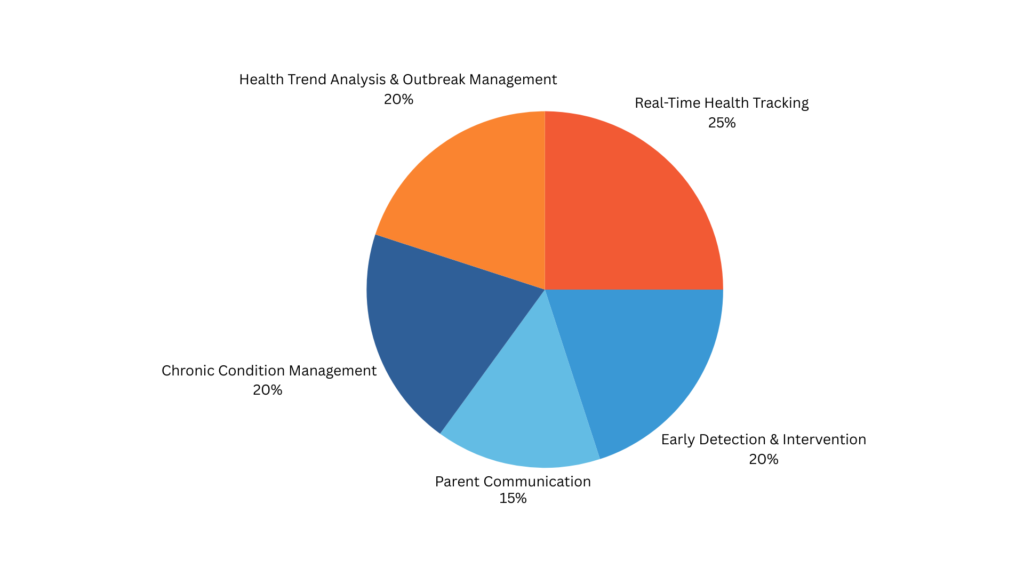
EduHealth’s digital platform allows school nurses and health staff to monitor student health data in real-time. This includes following symptoms, diseases, medication plans, and medical visits. By including a complete, up-to-date view of a student’s health, schools can pinpoint trends and respond fast to appearing health issues. This in turn minimizes the chance of prolonged absences. 

Early Detection and Intervention 

With EduHealth’s AI-driven tools, schools can find potential health problems before they evolve into major issues. For example, if a student’s documents show routine visits to the nurse for headaches or stomachaches, the system can flag this as a situation for early intervention. By handling health issues promptly, schools can stop them from escalating and pushing extended leaves. 

Streamlined Communication with Parents 

EduHealth streamlines the communication procedure between schools and parents. It delivers automated notifications regarding their child’s health status, upcoming health screenings, or reminders about vaccinations. This guarantees that school nurses are always in the loop and can take timely action if the student’s health needs attention. 

Chronic Condition Management 

For students with chronic illnesses like asthma, diabetes or allergies, we need to constantly manage health records. EduHealth allows schools to manage comprehensive records for these conditions, such as medication doses and timings, emergency plans (e.g., information on allergic reactions). And it also helps students to get the help and support they need to have better success in an academic environment. 

Health Trend Analysis 

Data driven insights from EduHealth make schools capable of understanding the overall health trends among students. For example, if a flu outbreak is detected, or another contagious disease has occurred the system can send an alert to school staff detailing that preventative steps need to be taken. Through this, we reduce the transmission of disease and consequently absences. This proactive view assures each student a healthier school environment. 

The Results: Improved Attendance and Student Outcomes

For students, regular attendance means fewer gaps in learning and improved social interaction with their peers. For schools, fewer absences translate into higher academic performance metrics and stronger relationships with parents and the community. 

Schools using EduHealth’s tools are seeing significant reductions in absenteeism rates. By effectively managing student health, these schools are creating an environment where students can attend regularly, perform better academically, and engage more fully in their education. 

The post How EduHealth Can Reduce Absenteeism with Advanced EHR  appeared first on EduHealthSystem.

View original source →

Related