Diphtheria kills 19 in Adamawa as suspected cases hit 92 is trending now“I Wasn’t Even One Year Old” — Nigeria Captain Recounts How ‘Expired Polio Vaccine’ Left … is trending nowPfizer Independent Medical Education Grant Program is trending nowDangerously Hot Days Are Now Bleeding Into Spring and Fall is trending nowRocket Lab Protests NASA’s Mars Telecom Award To Blue Origin is trending nowJames Webb Space Telescope and Hubble discover 27 puzzling new objects orbiting the sun f… is trending nowInternational Scientists Uncover Reason Behind Slowdown In Star Formation is trending nowManchester Derby: Man Utd, Man City Name Starting XIs is trending nowLauren James is ready to dominate the WSL - and Women's World Cup - as Chelsea star aims … is trending nowU20 WWC: Falconets thrash New Caledonia 10-1 to qualify for last 16 is trending now'I deserve it!' - Barcelona sensation Lamine Yamal makes bold Ballon d'Or claim and names… is trending now“I was depressed”: Fan calls out Charles Okocha over alleged attack is trending nowDiphtheria kills 19 in Adamawa as suspected cases hit 92 is trending now“I Wasn’t Even One Year Old” — Nigeria Captain Recounts How ‘Expired Polio Vaccine’ Left … is trending nowPfizer Independent Medical Education Grant Program is trending nowDangerously Hot Days Are Now Bleeding Into Spring and Fall is trending nowRocket Lab Protests NASA’s Mars Telecom Award To Blue Origin is trending nowJames Webb Space Telescope and Hubble discover 27 puzzling new objects orbiting the sun f… is trending nowInternational Scientists Uncover Reason Behind Slowdown In Star Formation is trending nowManchester Derby: Man Utd, Man City Name Starting XIs is trending nowLauren James is ready to dominate the WSL - and Women's World Cup - as Chelsea star aims … is trending nowU20 WWC: Falconets thrash New Caledonia 10-1 to qualify for last 16 is trending now'I deserve it!' - Barcelona sensation Lamine Yamal makes bold Ballon d'Or claim and names… is trending now“I was depressed”: Fan calls out Charles Okocha over alleged attack is trending now
Multifamily Investing
Middle East Report
Mideast Soccer ··76 views
 James
discusses this week’s Middle East developments on Radio Islam.
To
listen to the podcast or watch the video, go to https://jamesmdorsey.substack.com/p/middle-east-report
Thank you for joining
me today.
Thousands worldwide
are avid readers and listeners of The Turbulent World. They make this column
and podcast possible.
Join them in helping
to maintain and expand the column and podcast by subscribing to The Turbulent World with James M. Dorsey.
Thank you for your
support and loyalty.
Transcript
[Anchor] 7.43am it is, Central African
time, you're listening to Radio Islam International, live from our studios in
Durban for this morning, on this Friday morning, and roundabout quarter to two
is our time for the Middle East Report, and joining us is James M. Dorsey,
award-winning scholar and journalist with a different perspective on the Middle
East. Remember, you can subscribe to James' newsletter and blog, The Turbulent
World of Middle East Soccer, and visit his website jamesmdorsey.substack.com to
get a perspective of James' thoughts and his articles and opinions on matters
coming out of the Middle East and the greater world. Well, James, good day to
you. Thank you for joining us.
{James M. Dorsey} As always, a pleasure
to be with you on this Friday morning.
[Anchor} James, US President Donald
Trump, in addition to the other issues he's addressing at home, this time, you
know what, on an anti-Somalia rant, but nonetheless, turning the screws on
Prime Minister Benjamin Netanyahu as policy towards Israel, and the Middle East
emerges as a main fault line, or the main fault line, in the President's Make
America Great MAGA support base.
I mean, that base itself is a divided base,
you know, nonetheless, although it may have one rallying point, and that's the
President himself. In recent days, Mr. Trump has nudged Mr. Netanyahu to abide
by the Gaza ceasefire, facilitate the surrender of trapped Hamas fighters,
refrain from attacks in Syria, and engage in negotiations with Lebanon, as
opposed to airstrikes which have plagued that area for, renewed thereof. Your
thoughts on that, James?
[James M. Dorsey] Indeed. In addition
to pressure exerted regarding Gaza, Syria, and Lebanon, Trump is keenly aware
that Israel constitutes the last fault line in white nationalist domination of
his Make America Great Again support base. The Make America Great Again crowd
has already adopted four of the far-right's five key principles, including
reducing immigration to preserve white dominance, a perception of relations
between whites and non-whites, and Christians and non-Christians as a zero-sum
game, the ranking of Americans according to race, religion, and how far back
they can trace their ancestors' presence in the country, and identity politics.
Meanwhile, Western and Arab diplomats expect
the Trump administration to announce the composition of a Palestinian committee
made up of non-affiliated Gazans that would run the Strip's day-to-day affairs
in advance of Benjamin Netanyahu's visit to Washington at the end of this
month, summoning the Prime Minister for a fifth White House discussion,
shifting attitudes in the President's support base, and pressure from his
increasingly important Saudi and other Gulf allies suggests that Trump and
Netanyahu's forthcoming meeting could mark a milestone.
[Anchor] James, moving back, I mean,
all those years ago, 24 years ago, this is the premise of our next question,
with regards to the September 11th, the 9-11 attacks, now there is a straight
line that connects Osama bin Laden's alleged destruction of multiculturalism
with the destruction of the 9-11 towers years ago, and mainstream racism,
particularly in the form of Islamophobia and anti-Semitism. Many writers would
suggest that there was an important catalyst, it was the turning point where
the country, and many in the Western world for that matter, saw a rise in
Islamophobia, anti-Semitism, various forms of racism, and it shattered this
multicultural dream that many, who the world refers to sometimes as liberals,
had already in a post-modern world. Your thoughts on that?
[James M. Dorsey] Well, what started
with 9-11 has become government policy in multiple Western democracies, with
France backed by the United Arab Emirates and Saudi Arabia seeking to define
what constitutes moderate Islam, and regulating how Muslims should dress.
Donald Trump this week took such policies a step further, after an Afghan
national shot two West Virginia National Guard people in Washington, killing
one. He cast all Afghan migrants as suspects, ordered the review of green cards
issued to nationals of 19 countries, half of them Muslim-majority nations, and
halted the issuing of visas for citizens of all third world countries.
In addition, he launched an all-out racist
attack on the Somali community in the United States, and Somalia as a country,
calling them garbage. Meanwhile, the Make America Great Again crowd struggles
to come to grips with rising anti-Semitism in its ranks, fuelled by Israel's
conduct of the Gaza War, and perceptions of Israel's oversized influence in
American policymaking and a divergence of US and Israeli interests.
[Anchor] James, coming back to matters
related to the Middle East directly mired in financial crises. Now, the
Houthis, the group of course, the Houthis in Yemen, resuming threats to Saudi
Arabia. Saudi Arabia was practically well involved in the strikes against the
Houthis a number of years back, they and the Emiratis in particular.
They had stopped the actual military
incursions and the military strikes, but once again, the Houthis seemed to be
threatening Saudi Arabia.
[James M. Dorsey] Since halting their
attacks on international shipping after the Gaza ceasefire took effect in
November, the Houthis have stepped up their verbal attacks against Saudi
Arabia. They have accused the Kingdom of collaborating with Israel and
threatened to resume cross-border attacks if Saudi Arabia does not lift its
economic blockade of Houthi-controlled areas of Yemen. Houthis need the lifting
to address an economic crisis.
Israeli strikes have damaged ports and
Houthi-controlled businesses. In addition, US sanctions are having an effect.
The Houthis hope that their threats will persuade the Saudis to pay public
sector salaries in Houthi-controlled areas, something that was part of peace
talks that have stalled and would provide relief.
The Houthis' stepped-up rhetoric raises the
spectre of renewed hostilities.
[Anchor] Meanwhile, increased tensions
with Yemen, are sharpening the divide between Saudi and United Arab Emirates
policies in Yemen.
[James M. Dorsey] Differences between
Saudi Arabia and the United Arab Emirates over crises in Yemen and Sudan are
becoming more pronounced. In Washington last month, Saudi Crown Prince Mohammed
bin Salman urged Trump to mediate between the Saudi-backed Sudanese Armed Forces
and the rebel UAE-supported Rapid Support Forces.
In Yemen, the UAE backs the Southern
Transitional Council, which wants South Yemen to secede from the
Houthi-controlled north of the country, while Saudi Arabia prefers to see Yemen
remain united, and has signalled that it could accept Houthi rule. The Council
this week moved into the resource-rich Hadhramaut region of Yemen. In response,
Saudi officials visited Hadhramaut, calling for a withdrawal of the Council's
forces.
With Council forces seeking to take control of
an oil company that exploits two of Hadhramaut's oil fields, the risk is that
developments in the region could shatter Yemen's de facto lull in the fighting.
[Anchor] James M. Dorsey, thank you for
your time this morning of the year for us in South Africa. Have a good rest of
your weekend, James.
[James M. Dorsey] Thank you for having
me, and I wish you all the best.
Â
Â
James
discusses this week’s Middle East developments on Radio Islam.
[Anchor] 7.43am it is, Central African
time, you're listening to Radio Islam International, live from our studios in
Durban for this morning, on this Friday morning, and roundabout quarter to two
is our time for the Middle East Report, and joining us is James M. Dorsey,
award-winning scholar and journalist with a different perspective on the Middle
East. Remember, you can subscribe to James' newsletter and blog, The Turbulent
World of Middle East Soccer, and visit his website jamesmdorsey.substack.com to
get a perspective of James' thoughts and his articles and opinions on matters
coming out of the Middle East and the greater world. Well, James, good day to
you. Thank you for joining us.
{James M. Dorsey} As always, a pleasure
to be with you on this Friday morning.
[Anchor} James, US President Donald
Trump, in addition to the other issues he's addressing at home, this time, you
know what, on an anti-Somalia rant, but nonetheless, turning the screws on
Prime Minister Benjamin Netanyahu as policy towards Israel, and the Middle East
emerges as a main fault line, or the main fault line, in the President's Make
America Great MAGA support base.
I mean, that base itself is a divided base,
you know, nonetheless, although it may have one rallying point, and that's the
President himself. In recent days, Mr. Trump has nudged Mr. Netanyahu to abide
by the Gaza ceasefire, facilitate the surrender of trapped Hamas fighters,
refrain from attacks in Syria, and engage in negotiations with Lebanon, as
opposed to airstrikes which have plagued that area for, renewed thereof. Your
thoughts on that, James?
[James M. Dorsey] Indeed. In addition
to pressure exerted regarding Gaza, Syria, and Lebanon, Trump is keenly aware
that Israel constitutes the last fault line in white nationalist domination of
his Make America Great Again support base. The Make America Great Again crowd
has already adopted four of the far-right's five key principles, including
reducing immigration to preserve white dominance, a perception of relations
between whites and non-whites, and Christians and non-Christians as a zero-sum
game, the ranking of Americans according to race, religion, and how far back
they can trace their ancestors' presence in the country, and identity politics.
Meanwhile, Western and Arab diplomats expect
the Trump administration to announce the composition of a Palestinian committee
made up of non-affiliated Gazans that would run the Strip's day-to-day affairs
in advance of Benjamin Netanyahu's visit to Washington at the end of this
month, summoning the Prime Minister for a fifth White House discussion,
shifting attitudes in the President's support base, and pressure from his
increasingly important Saudi and other Gulf allies suggests that Trump and
Netanyahu's forthcoming meeting could mark a milestone.
[Anchor] James, moving back, I mean,
all those years ago, 24 years ago, this is the premise of our next question,
with regards to the September 11th, the 9-11 attacks, now there is a straight
line that connects Osama bin Laden's alleged destruction of multiculturalism
with the destruction of the 9-11 towers years ago, and mainstream racism,
particularly in the form of Islamophobia and anti-Semitism. Many writers would
suggest that there was an important catalyst, it was the turning point where
the country, and many in the Western world for that matter, saw a rise in
Islamophobia, anti-Semitism, various forms of racism, and it shattered this
multicultural dream that many, who the world refers to sometimes as liberals,
had already in a post-modern world. Your thoughts on that?
[James M. Dorsey] Well, what started
with 9-11 has become government policy in multiple Western democracies, with
France backed by the United Arab Emirates and Saudi Arabia seeking to define
what constitutes moderate Islam, and regulating how Muslims should dress.
Donald Trump this week took such policies a step further, after an Afghan
national shot two West Virginia National Guard people in Washington, killing
one. He cast all Afghan migrants as suspects, ordered the review of green cards
issued to nationals of 19 countries, half of them Muslim-majority nations, and
halted the issuing of visas for citizens of all third world countries.
In addition, he launched an all-out racist
attack on the Somali community in the United States, and Somalia as a country,
calling them garbage. Meanwhile, the Make America Great Again crowd struggles
to come to grips with rising anti-Semitism in its ranks, fuelled by Israel's
conduct of the Gaza War, and perceptions of Israel's oversized influence in
American policymaking and a divergence of US and Israeli interests.
[Anchor] James, coming back to matters
related to the Middle East directly mired in financial crises. Now, the
Houthis, the group of course, the Houthis in Yemen, resuming threats to Saudi
Arabia. Saudi Arabia was practically well involved in the strikes against the
Houthis a number of years back, they and the Emiratis in particular.
They had stopped the actual military
incursions and the military strikes, but once again, the Houthis seemed to be
threatening Saudi Arabia.
[James M. Dorsey] Since halting their
attacks on international shipping after the Gaza ceasefire took effect in
November, the Houthis have stepped up their verbal attacks against Saudi
Arabia. They have accused the Kingdom of collaborating with Israel and
threatened to resume cross-border attacks if Saudi Arabia does not lift its
economic blockade of Houthi-controlled areas of Yemen. Houthis need the lifting
to address an economic crisis.
Israeli strikes have damaged ports and
Houthi-controlled businesses. In addition, US sanctions are having an effect.
The Houthis hope that their threats will persuade the Saudis to pay public
sector salaries in Houthi-controlled areas, something that was part of peace
talks that have stalled and would provide relief.
The Houthis' stepped-up rhetoric raises the
spectre of renewed hostilities.
[Anchor] Meanwhile, increased tensions
with Yemen, are sharpening the divide between Saudi and United Arab Emirates
policies in Yemen.
[James M. Dorsey] Differences between
Saudi Arabia and the United Arab Emirates over crises in Yemen and Sudan are
becoming more pronounced. In Washington last month, Saudi Crown Prince Mohammed
bin Salman urged Trump to mediate between the Saudi-backed Sudanese Armed Forces
and the rebel UAE-supported Rapid Support Forces.
In Yemen, the UAE backs the Southern
Transitional Council, which wants South Yemen to secede from the
Houthi-controlled north of the country, while Saudi Arabia prefers to see Yemen
remain united, and has signalled that it could accept Houthi rule. The Council
this week moved into the resource-rich Hadhramaut region of Yemen. In response,
Saudi officials visited Hadhramaut, calling for a withdrawal of the Council's
forces.
With Council forces seeking to take control of
an oil company that exploits two of Hadhramaut's oil fields, the risk is that
developments in the region could shatter Yemen's de facto lull in the fighting.
[Anchor] James M. Dorsey, thank you for
your time this morning of the year for us in South Africa. Have a good rest of
your weekend, James.
[James M. Dorsey] Thank you for having
me, and I wish you all the best.

 Mideast Soccer
 RT » World news
 Healthcare Dive
  Sky News - World
  MobileSyrup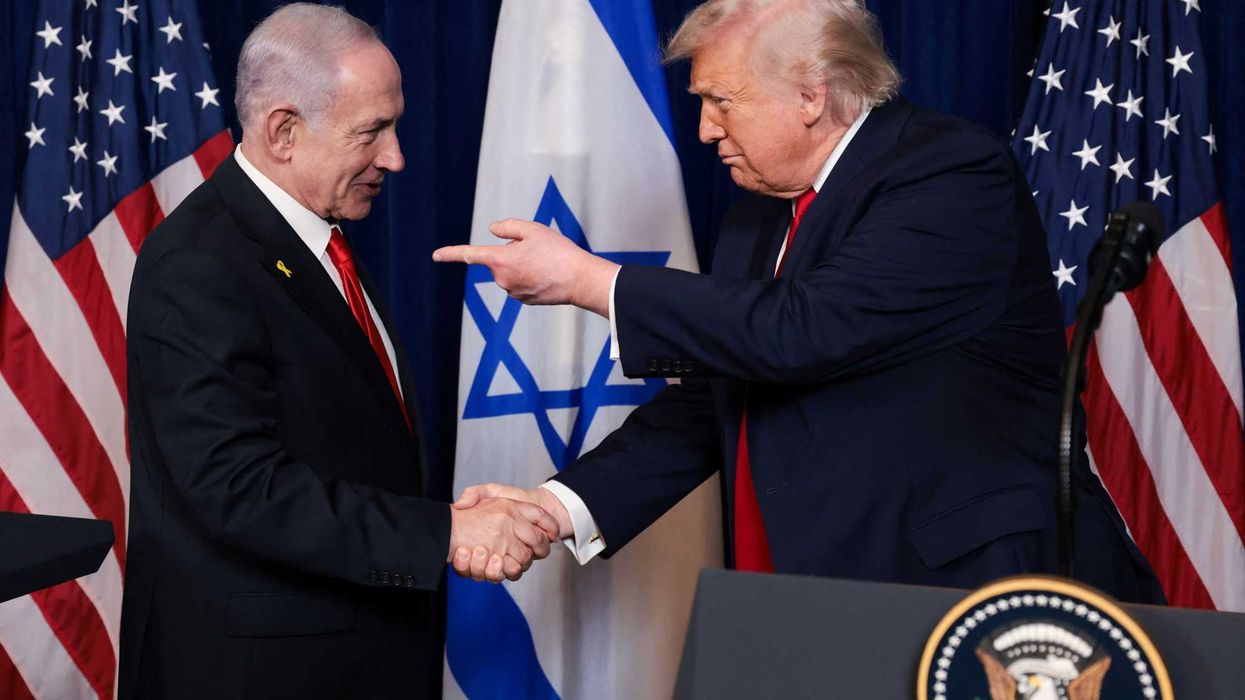
 Raw Story - World
  Sportstar