Nigeria’s TB Fight Gets New Hope As Vaccines Target 7.3m Lives is trending nowPolio: The unfinished fight is trending nowTB can hide in the eye, cause blindness —Babalola is trending nowCuriosity rover insights after 5000+ sols on Mars is trending now“We just need to go back” – Uranus’ moon Ariel may have hidden a 100-mile-deep ocean is trending nowScientists Detect Radio Signals From an Exoplanet for the First Time in History is trending nowA bumper year for bugs: as the world warms up, insects are moving northwards is trending nowOkonkwo excited for Madagascar, Guinea-Bissau clashes is trending nowRonaldo Spurred on By 1000 Goals Personal Ambition as Portugal Battle Wales Tonight is trending nowChristian Eriksen QUITS Wolfsburg! Midfielder terminates contract early for family return is trending now'It's not in us!' - Anthony Gordon defends Thomas Tuchel and claims England 'DNA' can NEV… is trending nowColeen Rooney considered separating from Wayne as marriage laid bare in new series is trending nowNigeria’s TB Fight Gets New Hope As Vaccines Target 7.3m Lives is trending nowPolio: The unfinished fight is trending nowTB can hide in the eye, cause blindness —Babalola is trending nowCuriosity rover insights after 5000+ sols on Mars is trending now“We just need to go back” – Uranus’ moon Ariel may have hidden a 100-mile-deep ocean is trending nowScientists Detect Radio Signals From an Exoplanet for the First Time in History is trending nowA bumper year for bugs: as the world warms up, insects are moving northwards is trending nowOkonkwo excited for Madagascar, Guinea-Bissau clashes is trending nowRonaldo Spurred on By 1000 Goals Personal Ambition as Portugal Battle Wales Tonight is trending nowChristian Eriksen QUITS Wolfsburg! Midfielder terminates contract early for family return is trending now'It's not in us!' - Anthony Gordon defends Thomas Tuchel and claims England 'DNA' can NEV… is trending nowColeen Rooney considered separating from Wayne as marriage laid bare in new series is trending now
Poetry
Do Silverfish Bite? A Maine Homeowner’s Guide to Understanding & Preventing Silverfish
Pine State Pest Solutions Blog ··189 views
If you’re a Maine resident, chances are you’ve encountered a silverfish at least once. These quick-moving, silvery insects often hide in the shadows of your home, darting across floors or inside cupboards when you least expect them. While they might give you a startle, silverfish do not bite humans and aren’t dangerous, but they can damage your belongings and contaminate food.
Understanding silverfish behavior, why they appear in homes in Maine, and how to prevent them is key to keeping your home pest-free. Here’s everything you need to know.
Identifying Silverfish in Maine Homes
Silverfish are small, wingless insects covered in silvery scales that give them a metallic sheen. Their movements resemble those of a fish swimming through water, hence the name.
Maine homeowners often spot them:
Inside kitchen cupboards or pantries near flour, cereal, or pet food.
In drawers holding old papers, receipts, or cardboard.
Bathrooms, basements, or crawl spaces, where moisture is common.
Why Maine Homes Are Attractive to Silverfish
Silverfish love dark, damp environments, and Maine’s climate, with its humid summers, rainy springs, and snowy winters, creates ideal conditions. Older homes, especially those with wooden floors or baseboards that retain moisture, aging plumbing with small leaks, or crawl spaces and basements with poor ventilation, are particularly attractive to these pests.
Even a small pinhole leak under a bathroom sink or a dripping faucet can welcome silverfish inside. Once they enter, they are difficult to detect because they are nocturnal and reclusive, emerging only at night to feed.
What Do Silverfish Eat?
Silverfish are omnivorous scavengers, primarily seeking carbohydrates and proteins while avoiding fats. Their preferred food sources include:
Flour, oats, cereal, and grains
Dried meats and pet food
Paper, cardboard, and book bindings
Glue, wallpaper paste, and clothing fibers (like cotton or linen)
This means that a silverfish infestation can threaten your pantry, your personal library, and even your wallpaper. While they do not feed on humans or pets, they can contaminate food and cause damage to belongings if left unchecked.
Do Silverfish Bite?
Here’s the good news: silverfish do not bite humans or pets. They are harmless in that sense and are not known to transmit diseases. Unlike other pests such as mosquitoes, ticks, or rodents, you don’t need to worry about a silverfish making you sick.
Even though silverfish don’t bite, their presence can indicate larger issues in your home:
Moisture Problems: Silverfish thrive in damp areas. Persistent sightings could indicate leaks, poor ventilation, or high humidity, which may lead to mold or mildew.
Hidden Entry Points: If silverfish have entered, other pests (like cockroaches, spiders, or rodents) could find ways in too.
Property Damage: They feed on paper, books, wallpaper, and cardboard, which can be costly to replace if the infestation is large.
So while a silverfish is harmless to you, it’s a signal that your home may need maintenance or pest prevention measures.
Silverfish Behavior & Life Cycle
Understanding silverfish habits helps Maine homeowners prevent infestations:
Nocturnal Activity: Silverfish are primarily active at night, making daytime sightings rare.
Slow Reproduction: Silverfish lay small clusters of eggs in hidden, damp areas. An unnoticed population can grow over months or years.
Lifespan: They can live for several years, feeding intermittently, which means an infestation can persist if conditions remain favorable.
Since silverfish prefer undisturbed areas, homeowners may not realize they have an infestation until the damage becomes apparent.
Seasonal Silverfish Trends in Maine
Silverfish activity can fluctuate with Maine’s climate:
Spring & Summer: High humidity and rainfall create ideal conditions for silverfish in basements, bathrooms, and kitchens.
Fall: Cooler temperatures drive silverfish to seek warmth inside homes, often appearing in pantries or storage areas.
Winter: Heated indoor environments with consistent humidity can allow silverfish to remain active year-round, especially in older homes with poor insulation or damp crawl spaces.
Knowing these seasonal patterns can help Maine homeowners stay vigilant and take action before minor problems escalate into major infestations.
How to Prevent Silverfish in Maine Homes
Preventing silverfish involves addressing both moisture and food sources. Here are practical tips tailored for Maine homeowners:
Reduce Humidity
Use dehumidifiers in basements, bathrooms, and crawl spaces to reduce humidity levels.
Fix leaky faucets and plumbing promptly.
Ensure bathrooms and laundry rooms are ventilated.
Seal Food Properly
Store flour, cereal, oats, and pet food in airtight containers.
Avoid leaving dry foods exposed on counters.
Declutter & Clean
Remove old newspapers, cardboard boxes, and piles of paper.
Vacuum and wipe down shelves regularly.
Inspect and clean storage areas, especially rarely used cupboards and drawers.
Seal Entry Points
Inspect windows, doors, baseboards, and foundation cracks.
Caulk gaps and repair damaged weatherstripping.
Install door sweeps to block the basement or garage entry.
Professional Pest Control
For persistent infestations, professional help is often the most effective solution. In Central and Southern Maine, Pine State Pest Solutions offers comprehensive, year-round home pest control plans that effectively tackle silverfish and other nuisance pests.
When to Call Pine State Pest Solutions
Even small sightings of silverfish may indicate a larger problem. Maine homeowners should call a pest control professional if:
You see multiple silverfish over time
You notice damage to food, books, or wallpaper
Moisture problems are suspected but difficult to locate
DIY methods haven’t resolved the issue
You simply want to be proactive in the fight against silverfish and other bugs and rodents
Our local experts will inspect your home, identify vulnerable areas, and treat your property to prevent pests from settling in.
Protect Your Maine Home Year-Round
Silverfish do not bite or transmit disease, but they can damage property and signal hidden moisture problems. For Maine homeowners, prevention is the best strategy: reduce humidity, seal food properly, maintain storage areas, and address any leaks or dampness in the home.
For long-term protection, sign up for a year-round pest control plan to ensure your home stays pest-free even in Maine’s wet and humid months.
If you’re ready to protect your home from silverfish and other nuisance pests, contact Pine State Pest Solutions today. Our locally trained experts understand Maine homes and climates better than anyone, providing effective and environmentally responsible solutions.
This blog was originally published on August 23, 2017, and has been updated to reflect the most current information.
If you’re a Maine resident, chances are you’ve encountered a silverfish at least once. These quick-moving, silvery insects often hide in the shadows of your home, darting across floors or inside cupboards when you least expect them. While they might give you a startle, silverfish do not bite humans and aren’t dangerous, but they can damage your belongings and contaminate food.
Understanding silverfish behavior, why they appear in homes in Maine, and how to prevent them is key to keeping your home pest-free. Here’s everything you need to know.
Identifying Silverfish in Maine Homes
Silverfish are small, wingless insects covered in silvery scales that give them a metallic sheen. Their movements resemble those of a fish swimming through water, hence the name.
Maine homeowners often spot them:
Inside kitchen cupboards or pantries near flour, cereal, or pet food.
In drawers holding old papers, receipts, or cardboard.
Bathrooms, basements, or crawl spaces, where moisture is common.
Why Maine Homes Are Attractive to Silverfish
Silverfish love dark, damp environments, and Maine’s climate, with its humid summers, rainy springs, and snowy winters, creates ideal conditions. Older homes, especially those with wooden floors or baseboards that retain moisture, aging plumbing with small leaks, or crawl spaces and basements with poor ventilation, are particularly attractive to these pests.
Even a small pinhole leak under a bathroom sink or a dripping faucet can welcome silverfish inside. Once they enter, they are difficult to detect because they are nocturnal and reclusive, emerging only at night to feed.
What Do Silverfish Eat?
Silverfish are omnivorous scavengers, primarily seeking carbohydrates and proteins while avoiding fats. Their preferred food sources include:
Flour, oats, cereal, and grains
Dried meats and pet food
Paper, cardboard, and book bindings
Glue, wallpaper paste, and clothing fibers (like cotton or linen)
This means that a silverfish infestation can threaten your pantry, your personal library, and even your wallpaper. While they do not feed on humans or pets, they can contaminate food and cause damage to belongings if left unchecked.
Do Silverfish Bite?
Here’s the good news: silverfish do not bite humans or pets. They are harmless in that sense and are not known to transmit diseases. Unlike other pests such as mosquitoes, ticks, or rodents, you don’t need to worry about a silverfish making you sick.
Even though silverfish don’t bite, their presence can indicate larger issues in your home:
Moisture Problems: Silverfish thrive in damp areas. Persistent sightings could indicate leaks, poor ventilation, or high humidity, which may lead to mold or mildew.
Hidden Entry Points: If silverfish have entered, other pests (like cockroaches, spiders, or rodents) could find ways in too.
Property Damage: They feed on paper, books, wallpaper, and cardboard, which can be costly to replace if the infestation is large.
So while a silverfish is harmless to you, it’s a signal that your home may need maintenance or pest prevention measures.
Silverfish Behavior & Life Cycle
Understanding silverfish habits helps Maine homeowners prevent infestations:
Nocturnal Activity: Silverfish are primarily active at night, making daytime sightings rare.
Slow Reproduction: Silverfish lay small clusters of eggs in hidden, damp areas. An unnoticed population can grow over months or years.
Lifespan: They can live for several years, feeding intermittently, which means an infestation can persist if conditions remain favorable.
Since silverfish prefer undisturbed areas, homeowners may not realize they have an infestation until the damage becomes apparent.
Seasonal Silverfish Trends in Maine
Silverfish activity can fluctuate with Maine’s climate:
Spring & Summer: High humidity and rainfall create ideal conditions for silverfish in basements, bathrooms, and kitchens.
Fall: Cooler temperatures drive silverfish to seek warmth inside homes, often appearing in pantries or storage areas.
Winter: Heated indoor environments with consistent humidity can allow silverfish to remain active year-round, especially in older homes with poor insulation or damp crawl spaces.
Knowing these seasonal patterns can help Maine homeowners stay vigilant and take action before minor problems escalate into major infestations.
How to Prevent Silverfish in Maine Homes
Preventing silverfish involves addressing both moisture and food sources. Here are practical tips tailored for Maine homeowners:
Reduce Humidity
Use dehumidifiers in basements, bathrooms, and crawl spaces to reduce humidity levels.
Fix leaky faucets and plumbing promptly.
Ensure bathrooms and laundry rooms are ventilated.
Seal Food Properly
Store flour, cereal, oats, and pet food in airtight containers.
Avoid leaving dry foods exposed on counters.
Declutter & Clean
Remove old newspapers, cardboard boxes, and piles of paper.
Vacuum and wipe down shelves regularly.
Inspect and clean storage areas, especially rarely used cupboards and drawers.
Seal Entry Points
Inspect windows, doors, baseboards, and foundation cracks.
Caulk gaps and repair damaged weatherstripping.
Install door sweeps to block the basement or garage entry.
Even small sightings of silverfish may indicate a larger problem. Maine homeowners should call a pest control professional if:
You see multiple silverfish over time
You notice damage to food, books, or wallpaper
Moisture problems are suspected but difficult to locate
DIY methods haven’t resolved the issue
You simply want to be proactive in the fight against silverfish and other bugs and rodents
Our local experts will inspect your home, identify vulnerable areas, and treat your property to prevent pests from settling in.
Protect Your Maine Home Year-Round
Silverfish do not bite or transmit disease, but they can damage property and signal hidden moisture problems. For Maine homeowners, prevention is the best strategy: reduce humidity, seal food properly, maintain storage areas, and address any leaks or dampness in the home.
For long-term protection, sign up for a year-round pest control plan to ensure your home stays pest-free even in Maine’s wet and humid months.
If you’re ready to protect your home from silverfish and other nuisance pests, contact Pine State Pest Solutions today. Our locally trained experts understand Maine homes and climates better than anyone, providing effective and environmentally responsible solutions.
This blog was originally published on August 23, 2017, and has been updated to reflect the most current information.

 Pine State Pest Solutions Blog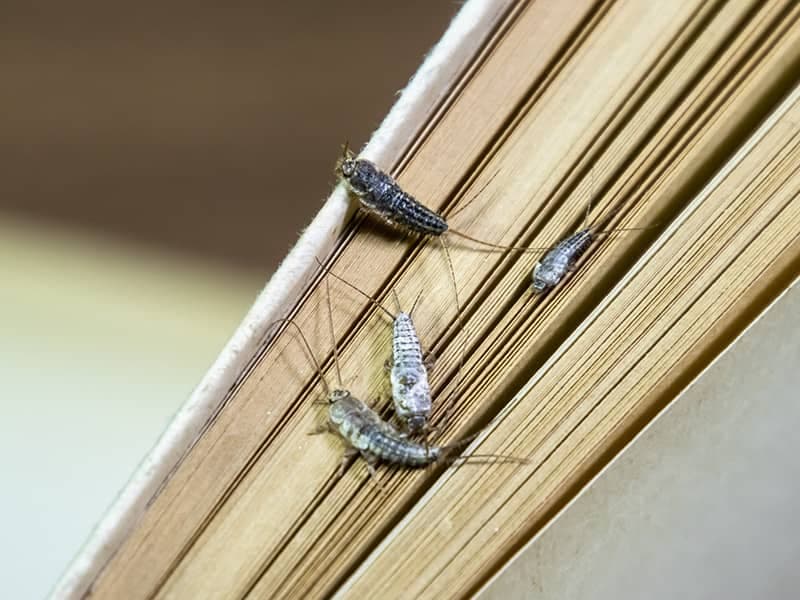
 Fairfax Auto Repair
  eLearning Industry
  inDinero
 Escape Bicycle Tours & Rentals Blog
  Blessed Moments Photography Blog
 Elegante by Michelle J » Jewish Weddings UK