
 ADHD Online Blog
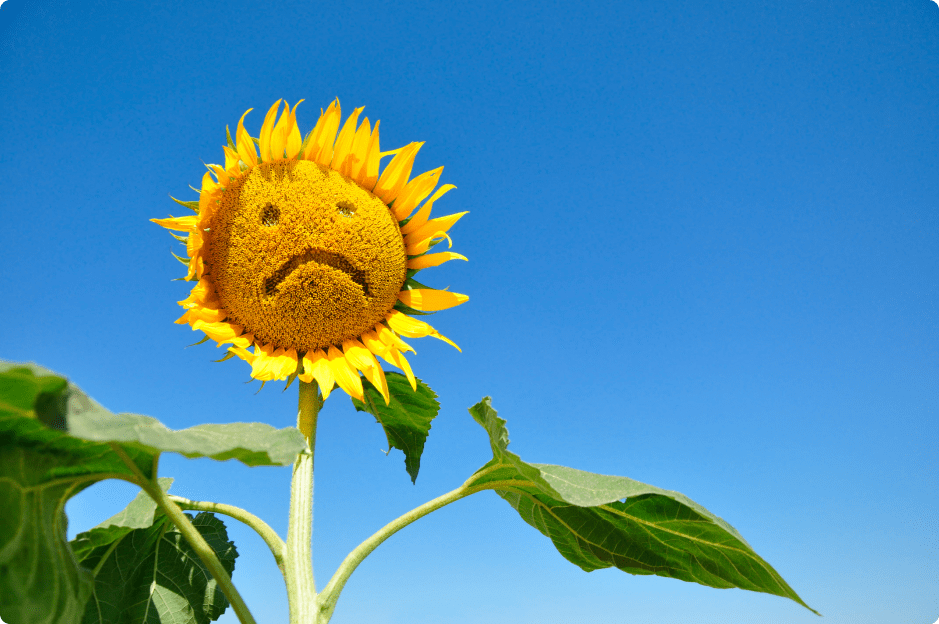
Summer usually conjures up carefree images of the last days of school, beach vacations, and lazy poolside afternoons—a far cry from winter’s grey skies, early darkness, and creeping chill.
But while winter-pattern SAD gets more attention, summer-pattern SAD (also called reverse SAD) is very real and just as disruptive. Both types of SAD often show up alongside ADHD and share overlapping causes, symptoms, and treatment options— each with its own season-specific spin.
Blame the sun (mostly)
When looking at the causes of SAD patterns, one culprit stands out: sunlight, or lack thereof.
During winter, when the days get shorter and darkness sets in before the workday is done, moods drop. Reduced sunlight exposure can increase melatonin production, disrupting sleep patterns and throwing off your body’s internal clock, which can lead to depression. A lack of sunlight can also lead to decreased vitamin D levels, which reduces serotonin activity, further impacting mood and sleep.
“These changes, combined with the stresses of holiday travel, sensitive family dynamics and managing expectations can build a recipe for depression during the winter months†says Andrea Rogers, Supervisor for Intensive Outpatient Programs in the Department of Psychiatry at Cedars-Sinai.
But the long, bright days of summer can also be disruptive. Just as fewer sunlight hours can result in an overabundance of melatonin, increased sunlight can alter our sleep-wake patterns and disrupt circadian rhythms. Factor in heat, late nights, and even body-image issues, and it’s easy to see how summer-pattern SAD can also take a toll. It should come as no surprise that summer-pattern SAD is more prevalent in the southern U.S. than in the north.
Even FOMO (fear of missing out) can play a role in bringing on bouts of summer-pattern SAD. You may be scrolling social media and seeing everyone else having fun, causing you to wonder why you’re not out doing the same. Cue the anxiety and sadness about not making the most of the season. Â
How SAD shows up
While both types of SAD have similar root causes, their symptoms vary. Winter-pattern SAD tends to manifest through a lack of energy and the urge to hibernate—increased sleep, social withdrawal, cravings, and weight gain.
Summer-pattern SAD presents as a more manic or agitated set of symptoms. Insomnia, restlessness, reduced appetite, and weight loss can all be signs. These opposite symptoms—lethargy in winter and agitation in summer—are reflective of how we react to extreme temperatures. Psychiatrist and professor Norman Rosenthal (originator of the term “seasonal affective disorderâ€) states that those easily discomforted by heat may find cooler temperatures to be calming, making them less prone to winter-pattern SAD and more likely to experience the summer variant.
Not everyone experiences these symptoms the same way. If you experience seasonal patterns in your mood or energy, it’s worth bringing them up with your doctor or therapist.
Reclaim the seasons
Fortunately, there are adjustments you can make to your routine to help manage your symptoms so you can get back to embracing every season.
- Try bright light therapy – Shown to suppress the brain’s secretion of melatonin, this treatment can provide some much-needed light to dark winter days. Even just getting outdoors when weather permits can be helpful.
- Balance summer stimulation – Avoid too much sun and heat. Stay hydrated, wear sunscreen, and take plenty of breaks.
- Set a sleep schedule – Try to go to bed and wake up at the same time every day to keep your circadian rhythm in check.
- Limit your alcohol intake – Alcohol can increase feelings of anxiety and depression, so it’s best to keep intake to a minimum during bouts of SAD symptoms.
In addition to these behavioral changes, a mental health professional can provide options for the seasonal blues through medication, counseling, or other treatment methods.

Clinically reviewed by Amy Marschall, PsyD. Dr Marschall has been a licensed psychologist since 2016 and currently owns a private practice, RMH-Therapy, where she provides therapy primarily to children and adolescents and does psychological evaluations and also provides ADHD assessments through ADHD Online.
Sources:
Seasonal Affective Disorder and the ADHD Brain – ADDitude Magazine
Heading Off Seasonal Depression When You Have ADHD – CHADD
Reverse Seasonal Affective Disorder: SAD in the Summer – Psychology Today
It’s a Cruel Summer with Reverse Seasonal Affective Disorder – Relational Psych
 Turf Unlimited
  Entrepreneur
  Cash Flow Diaries
  The Independent - World
  Harvard Business Review
 SportsPac12