
 Ergotron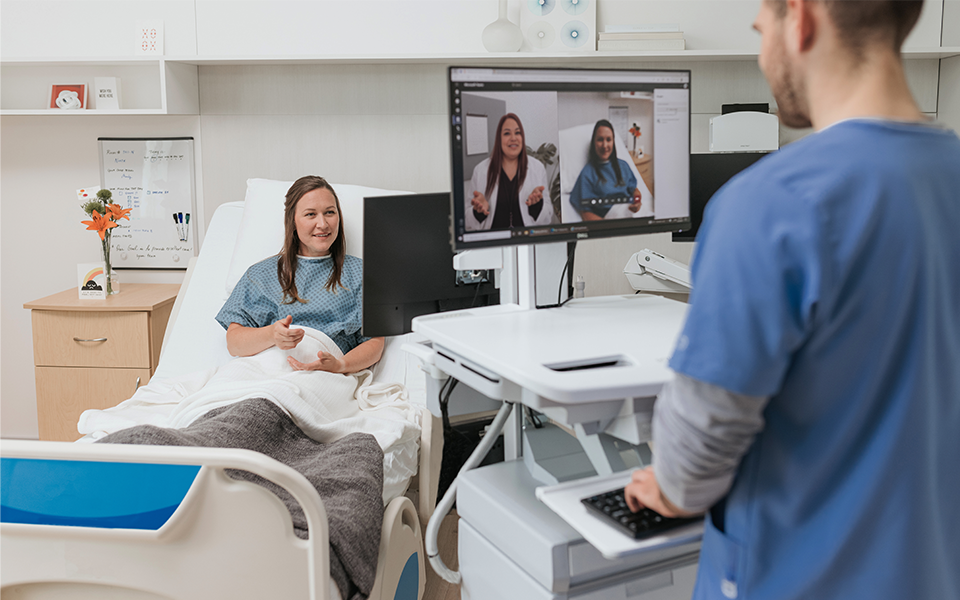
The way healthcare is delivered has changed dramatically over the past couple of years.
Telehealth and virtual care have expanded access to healthcare services, improving convenience for patients and creating new opportunities for providers to deliver care more effectively.
With the rise of telehealth workflows, caregivers face new challenges: Managing longer hours in front of screens, balancing digital consultations with in-person care, and adapting to evolving patient expectations.
The future of healthcare is increasingly digital, and creating healthy telehealth workspaces is essential to supporting caregivers and patients.
Benefits of Virtual Care
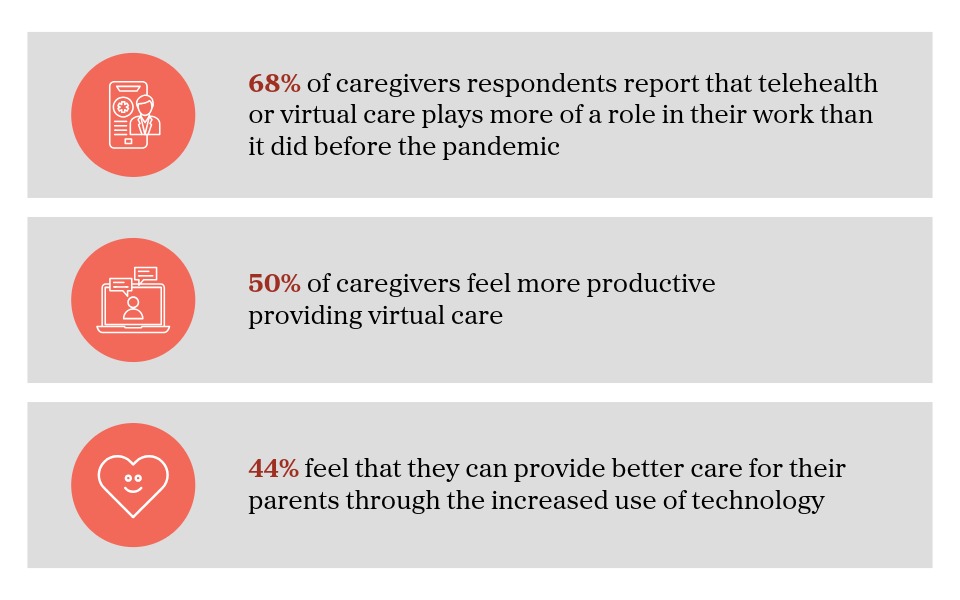
Online doctor visits offer significant advantages across healthcare systems.
For patients, virtual care can:
- Reduce travel time
- Improve access to specialists
- Increase convenience
- Support ongoing care management
For providers, virtual care can:
- Improve workflow efficiency
- Increase scheduling flexibility
- Expand patient reach
- Support continuity of care
The Future of Care
As healthcare organizations continue expanding virtual care programs, they must also consider how these changes affect the people delivering care.
87% of caregiver respondents report that they’re concerned about the physical impact of using telehealth technology more frequently, which would likely mean more time spent seated.
Leaders must ensure they anticipate this new way of working by providing the proper medical equipment to help their teams do so in a healthy manner.
Shaping the Future Through Workspaces
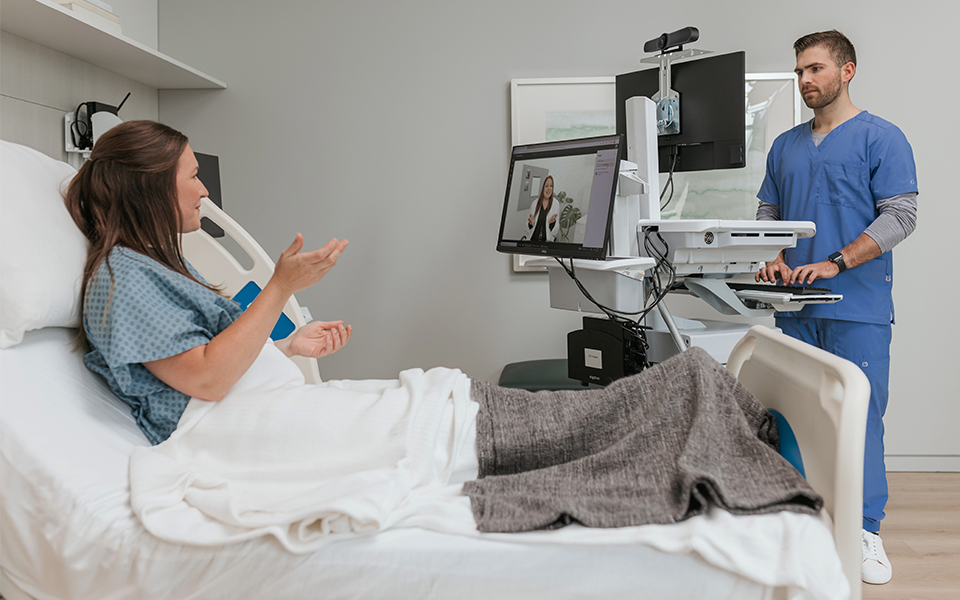
The future of healthcare relies not only on clinical advancements, but also on the environments that support those delivering care.
1. Reimagining the Caregiver Experience
Ergonomic tools—like height-adjustable workstations, mobile carts and monitor arms—support smoother task transitions, cut fatigue, and can help sustain energy through long shifts. Well-designed environments lower burnout risk and free-up caregivers to spend more time with patients.
2. Supporting Healthcare IT Efficiency
Ergonomic smart carts and adaptable workspaces help HIT teams stay productive, support evolving technology, resolve issues quickly, and maintain reliable systems while reducing strain.
3. Building Future-Ready Environments
Future healthcare workspaces should be flexible and ergonomic, supporting evolving care models, improving staff well-being and performance, and ultimately leading to better patient outcomes.
To meet these challenges, organizations must invest in workspaces designed for resilience, well-being, and long-term performance.
Solutions Designed for the Future of Care
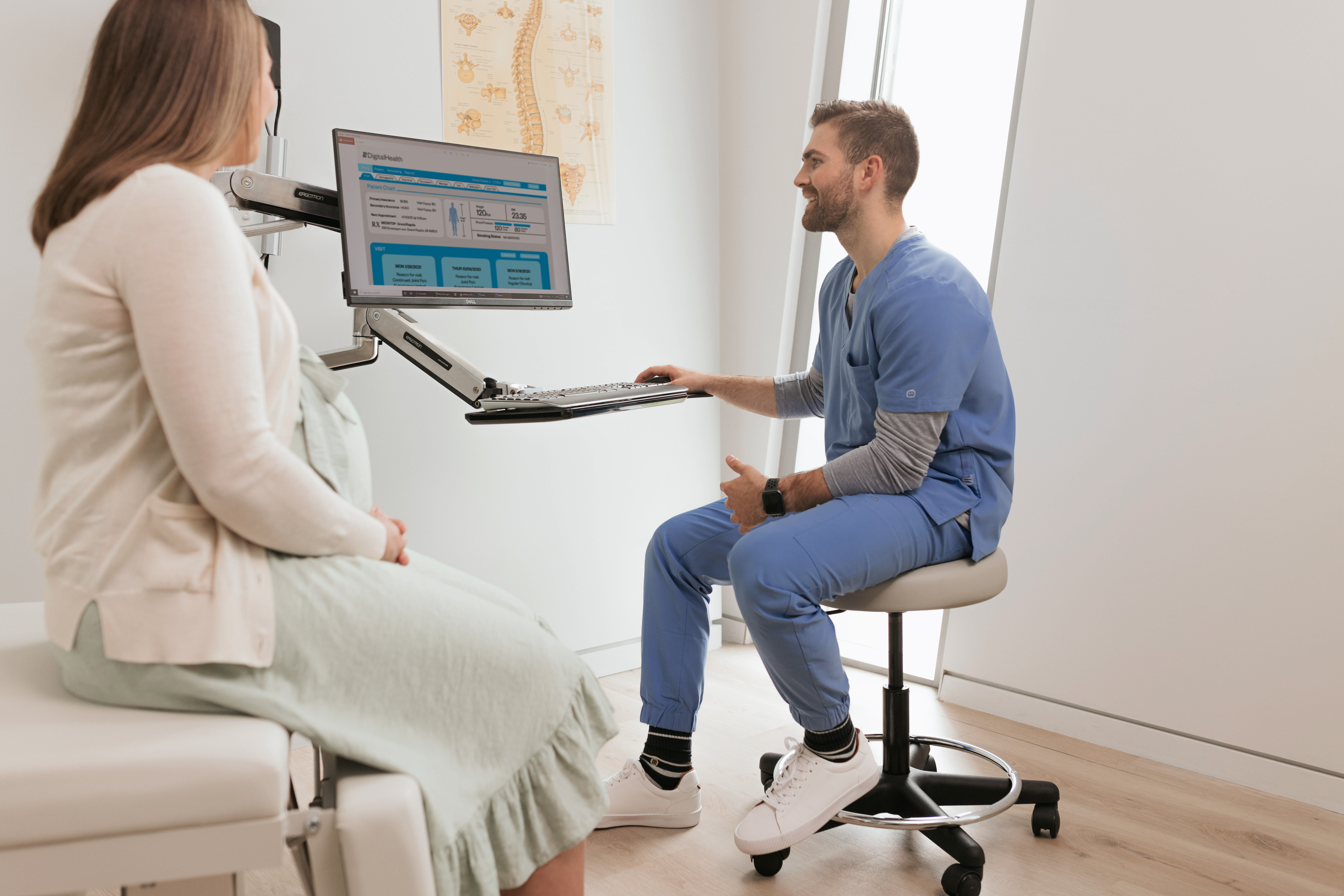
Explore Ergotron’s healthcare products and solutions to learn how you can support your teams today while preparing for the future of care.

©
by Ergotron Communications
All Rights Reserved
 Politics.co.uk
 Healthcare Business Club
 e27
e27  EdTechReview
 Practice Builders
  FierceHealthcare